

TL;DR: For most therapeutic mouthwashes, the sweet spot is once or twice daily—and never immediately after brushing. Cosmetic rinses can be used more spontaneously but overdoing it can backfire. Always follow product instructions and your dentist’s advice.

Mouthwash 101: Cosmetic vs. Therapeutic Rinses
Not all mouthwashes are created equal. The big divide is between cosmetic and therapeutic rinses, and that distinction determines everything from how often you can use them to what they actually do for your mouth.
| Feature | Cosmetic Mouthwash | Therapeutic Mouthwash |
|---|---|---|
| Purpose | Temporarily masks bad breath and leaves a pleasant taste | Actively prevents or treats oral disease (cavities, gingivitis, plaque) |
| Active ingredients | Often just flavoring agents, sometimes alcohol | Fluoride (anti-cavity), chlorhexidine (prescription antibacterial), essential oils (anti-gingivitis), or cetylpyridinium chloride (CPC) |
| ADA Seal of Acceptance | Rare; not required to show a health benefit | Look for the ADA Seal of Acceptance to confirm safety and effectiveness |
| Usage frequency | On demand, but excessive use can cause dry mouth | Generally 1–2 times daily, unless a dentist prescribes a specific protocol |
Therapeutic Mouthwashes: Targeting Specific Problems
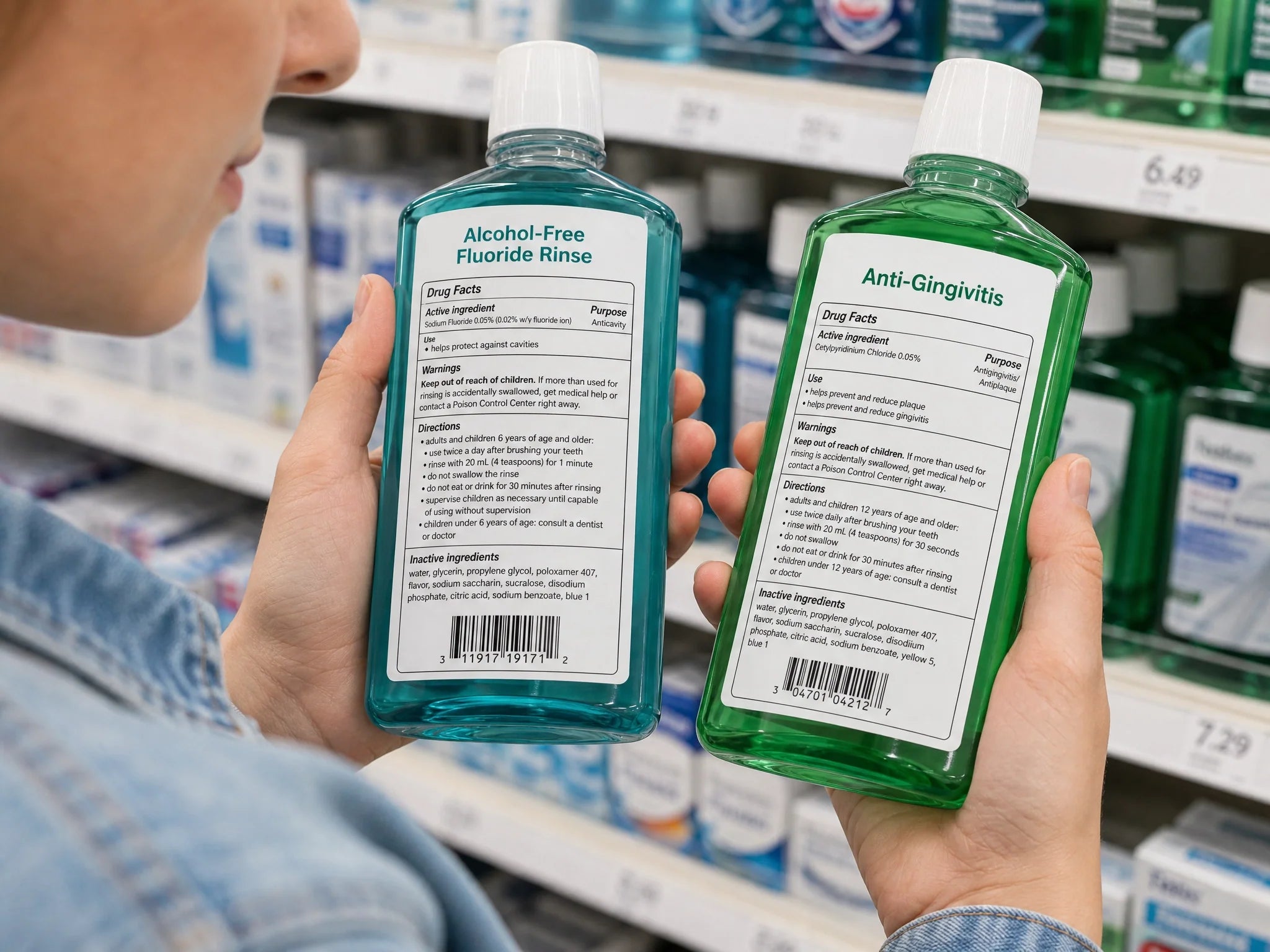
These aren’t just fancy water. A fluoride rinse helps rebuild weakened enamel and prevent cavities. Essential oil or CPC rinses reduce plaque and gingivitis. Chlorhexidine—available only by prescription—is a heavy hitter reserved for short-term use after surgery or during acute gum infections. Because therapeutic rinses contain active medication, the dose and frequency really matter. Using them too little won’t help; using them too often can irritate tissue or stain teeth.
Cosmetic Mouthwashes: Fresh Breath, Briefly
Cosmetic rinses don’t kill the bacteria that cause bad breath. They simply cover up odors for a little while. You can grab one after a garlicky lunch without worrying about a strict schedule, but if you find yourself reaching for it several times a day, it can actually make halitosis worse by drying out your mouth. A dry mouth is a breeding ground for odor-causing bacteria.
Why Mouthwash Frequency Matters
Think of your mouth as an ecosystem. You want to knock back the bad bacteria but not wipe out the good ones that help regulate blood pressure and keep your microbiome balanced. The right frequency supports oral health; overuse can trigger a cascade of nuisance effects.
- Correct frequency benefits: reduces cavities, controls gingivitis, freshens breath without damaging tissue, leaves fluoride on teeth long enough to remineralize enamel.
- Overuse side effects: tooth staining, altered taste, mouth ulcers, burning sensation, xerostomia (dry mouth), and disruption of the oral microbiome—killing beneficial bacteria that produce nitric oxide.
“The most frequently reported adverse effect was teeth staining. Adverse effects were reported also for shorter studies: taste problems, mouth ulcer and burning…” — review of mouthrinse adverse events, PMC
The Expert Answer: How Often Should You Use Mouthwash?
For the vast majority of people, the ideal frequency is once or twice a day—and only if you’re using a therapeutic rinse with a clear purpose. The American Dental Association emphasizes that mouthwash is an addition to, not a replacement for, brushing and flossing.
Daily Frequency for Therapeutic and Prescription Mouthwashes
- Fluoride and anti-gingivitis OTC rinses: Designed for twice-daily use after brushing (but wait—more on that later). If you’re cavity-prone, a 0.05% fluoride rinse used daily can make a real difference.
- Chlorhexidine: Prescription only. Use it exactly as directed—usually twice a day for a limited period. Never double a dose if you miss one, because it won’t help and will up the risk of staining. ADA mouthrinse guidance
How Often Can You Use Cosmetic Breath Sprays and Rinses?
You can use them “as needed” for a quick refresh. But if you’re spraying every hour, stop and ask why. The alcohol in many cosmetic rinses dries the mouth, and constant use can mask a real problem like gum disease or a sinus infection. If bad breath is persistent, see a dentist, not another rinse.
Special Cases: When Your Dentist Might Recommend a Different Schedule
After a tooth extraction or gum surgery, your dentist might prescribe a chlorhexidine rinse four times a day for a few days to prevent dry socket or infection. Orthodontic patients and people with peri-implantitis may also receive a custom frequency. These scenarios are always managed under professional supervision—never self-prescribe high-frequency use.
When Is the Best Time to Use Mouthwash?
The classic mistake: brush, rinse with mouthwash, and spit. That order undoes a lot of good.
The Golden Rule: Why You Should Wait After Brushing
Fluoride toothpaste leaves a concentrated layer of fluoride on your teeth. If you rinse with mouthwash (or water) right after, you wash that protection away before it can work. The fix is simple: wait at least 20–30 minutes after brushing before using any rinse—including a fluoride mouthwash. The ADA’s own experts note that after a fluoride rinse, you should refrain from eating or drinking for at least 30 minutes for maximum benefit. ADA Huddle: Maximizing mouthwash
Morning vs. Night: Strategizing Your Rinse for All-Day Protection
- Nighttime: Brush and floss thoroughly. Then, just before bed, swish with a fluoride rinse and spit—no water afterward. Saliva flow drops during sleep, so this is the most critical time for fluoride to stay put and fight cavities.
- Morning: If you want fresh breath, use a cosmetic rinse after breakfast, or if you’re cavity-prone, consider a quick fluoride boost at a different time than brushing, like after lunch.
How to Use Mouthwash Correctly: A 6-Step Guide

- Brush and floss your teeth first. Complete your physical cleaning, using a gentle electric toothbrush RANVOO AirJet X5처럼 버블 제트 기술로 민감한 잇몸에 특히 부드러우면서도 꼼꼼하게 세정해 주는 제품은 잇몸 출혈이나 불편함을 자주 겪는 경우 꼭 필요한 단계입니다.
- Wait 20–30 minutes after brushing if you used fluoride toothpaste, to avoid diluting the toothpaste’s fluoride.
- Measure the exact dose recommended on the label—usually 3-5 teaspoons. Using more isn’t better.
- Swish vigorously for a full 30 seconds. Don’t shortchange the time.
- Gargle at the back of your throat if the product instructs (useful for reaching bacteria there).
- Spit thoroughly. Do not rinse with water afterward, and avoid eating or drinking for at least 30 minutes.
How to Choose the Right Mouthwash and Align It with Your Frequency
Your main concern should guide your pick.
- Cavity-prone: Fluoride rinse, once or twice daily (after a 30-minute post-brushing wait). Look for the ADA Seal of Acceptance.
- Gum inflammation / bleeding: Therapeutic rinse with essential oils or CPC, twice daily. Alcohol-free is gentler if your gums are tender.
- Bad breath without gum disease: Cosmetic alcohol-free rinse as needed, but address the root cause first—often food debris or a coated tongue.
- Sensitive teeth / mouth sores: 무알코올의 순한 포뮬러. 민감한 부위를 자극하지 않고 버블 기술로 세정하는 RANVOO AirJet X5 같은 부드러운 전동 칫솔과 함께 사용해 보세요.
Alcohol vs. Alcohol-Free: Why It Changes How Often You Can Rinse
Alcohol-laced mouthwashes can cause a burning sensation, dry out your mouth, and make canker sores worse. If you want to rinse more than twice a day (for example, for dry mouth relief), alcohol-free is the safer choice. Over time, heavy use of alcohol-based rinses can contribute to chronic dry mouth, which in turn increases the risk of cavities and bad breath.
Where Mouthwash Fits in Your Complete Oral Hygiene Routine
Mouthwash is a helper, not a hero. The core of oral health remains mechanical cleaning.
Follow this order for the best results:
Floss → Brush (with fluoride toothpaste) → Wait 20–30 minutes → Mouthwash (if needed, at a separate time)
If using a fluoride rinse, that last step is critical for remineralization. If you’re just using a cosmetic rinse for breakfast breath, move it to a different time of day from your fluoride toothpaste session.
Recognizing the Side Effects of Overusing Mouthwash

Be alert to these signs that you might be rinsing too often or with the wrong product:
- Teeth staining: Brownish discoloration, especially common with chlorhexidine and some essential oil rinses.
- Burning sensation or mouth ulcers: The soft tissues get irritated.
- Altered taste: A metallic or dulled taste that lingers.
- Dry mouth: Paradoxically, overuse of rinses (especially with alcohol) reduces saliva, which is essential for neutralizing acids and washing away bacteria.
- Microbiome disruption: One study found that using over-the-counter mouthwash twice daily or more was associated with lower nitric oxide metabolites, which play a role in blood pressure regulation. This suggests that frequent antiseptic rinsing can wipe out beneficial bacteria that support overall health. Frontiers in Oral Health, 2025
If you notice any of these symptoms, cut back to once daily or switch to an alcohol-free option. When in doubt, ask your dentist to review your full routine. A mouthwash habit built on the right frequency and timing can boost your oral health without the downsides.



댓글 남기기
이 사이트는 hCaptcha에 의해 보호되며, hCaptcha의 개인 정보 보호 정책 과 서비스 약관 이 적용됩니다.