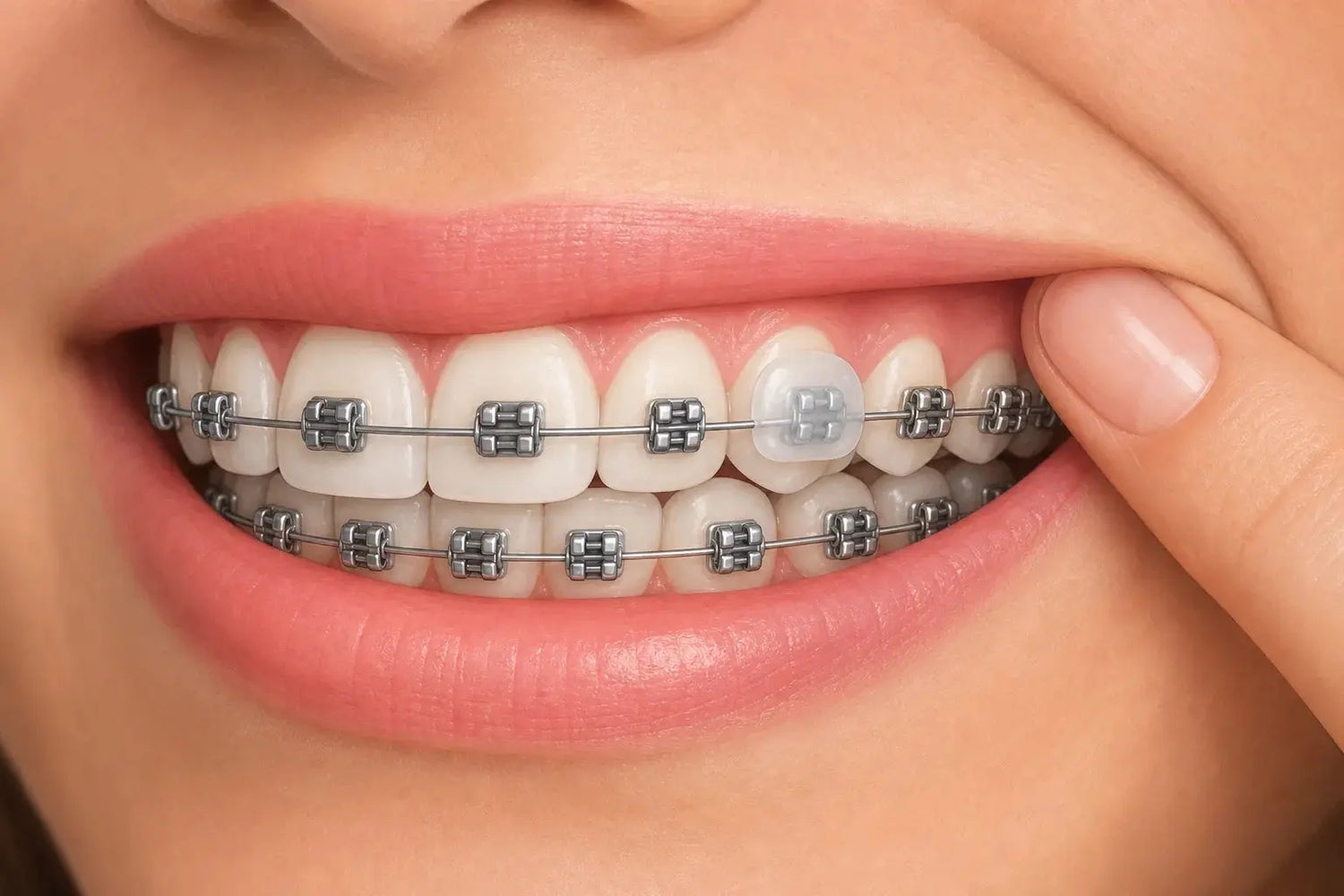
TL;DR: Getting braces put on doesn’t hurt in the moment—there are no needles or drills. The real discomfort starts a few hours later as a dull, achy soreness that peaks around 24–48 hours and then fades. After adjustments, you’ll feel a milder version of the same thing. Soft tissue irritation from brackets rubbing your cheeks is separate but manageable with wax. Most importantly, it’s all temporary, and there are proven ways to make it vastly more comfortable.

The question isn’t really “do braces hurt?” It’s “how much, for how long, and what can I do about it?” Let’s answer all three without the sugarcoating you might hear elsewhere. Yes, there is discomfort. It’s a natural consequence of your teeth moving through bone—a process that involves a carefully controlled biological response to pressure. But “pain” comes in several distinct flavors with braces, and once you know which is which, the whole experience becomes far less intimidating.
Straight Talk About Pain (and Pressure)
Let’s start with the statistic that nobody tells you in the orthodontist’s chair: approximately 90–95% of patients experience some degree of discomfort during fixed appliance treatment. That number sounds alarming until you realize it describes a spectrum—from a mild awareness that something is different to a genuine ache that makes you reach for pain relief.
The most important concept to grasp is the difference between pressure and pain.
When your orthodontist places braces, they’re applying controlled force to teeth through the archwire. That force compresses the periodontal ligament—the tiny sling of tissue that holds each tooth in its socket. On one side of the tooth, the ligament gets squeezed; on the other, it stretches. This compression reduces blood flow, triggering a cascade of inflammatory signals that your brain interprets as soreness.
That dull, achy pressure is a good sign. It means the appliance is working. Teeth are beginning to move.
Sharp, stabbing, or electric-shock sensations are different. Those are not part of normal orthodontic tooth movement. They usually mean a wire is poking your cheek or a bracket is loose and sliding against the gum. We’ll get to that distinction later, because knowing it will save you a lot of anxiety.
During the Placement: Awkward, Not Painful
If you’re reading this the night before your bonding appointment, take a deep breath. The actual process of getting braces put on is one of the least painful parts of the entire journey.
Your orthodontist will use a cheek retractor to keep your mouth open and teeth dry. That feels strange—like you’re making an exaggerated grimace for an hour—but it’s not painful. There are no injections. Nothing pierces your gums. The brackets are bonded to your teeth with a dental adhesive and cured with a blue light. Then the archwire is placed and secured.
You’ll feel some immediate tension as the wire engages with the brackets, especially on teeth that are visibly crooked. This is the first taste of orthodontic force. It’s a tight, pressing feeling. Not sharp. Not hot. Just… present.
When you leave the office, you might feel a slight sense of pressure and perhaps a little relief that the procedure itself is over. The main event is still a few hours away.

The First Few Days: Your Pain Timeline
The discomfort doesn’t start immediately because your body hasn’t yet mounted its inflammatory response. That takes time. Here’s what a typical timeline looks like:
- Hours 1–2: Mild pressure, no genuine pain.
- Hours 4–6: The dull ache begins. Your teeth start to feel “loose” or “bruised.”
- Hours 12–24: Pain generally peaks between 24 and 48 hours after archwire placement. This is when you’re most likely to need pain relief.
- Day 3: The worst is over. Soreness starts declining noticeably.
- Days 4–7: Tenderness fades. Most patients can return to a relatively normal diet.
During the peak soreness window, your teeth may feel slightly mobile. This is unnerving but completely normal. The periodontal ligament widens slightly to allow movement, and that temporary looseness is evidence the process is working. It is not a sign your teeth are going to fall out.
A systematic review comparing pain levels between clear aligners and fixed braces found that the pain pattern is remarkably consistent: the worst pain arrives within the first three days and typically subsides by the seventh day. For braces patients specifically, pain peaks on the third day before declining.
What This Feels Like in Practice
Chewing during this window is the hardest part. The pressure of your teeth meeting each other transfers force directly into already-sensitized ligaments. Biting into anything—even soft bread—can make you wince. The front teeth are often the most tender because they’re single-rooted and move more readily under orthodontic force.
“My teeth feel like they’re not even mine.”
Every orthodontist hears this. It’s a strange, dissociative sensation caused by the combination of the physical pressure and your brain recalibrating its map of where your teeth sit in space. It passes.
After Every Adjustment: Here We Go Again
Once you’ve navigated the initial placement, the pattern repeats—but with shorter, milder episodes—after every tightening appointment. These visits, typically every 4–8 weeks, involve replacing ligatures, advancing to a thicker archwire, or adding power chains.
The soreness after an adjustment is essentially a miniature version of the first week. It feels familiar. You’ll recognize it. Clinical observations show that additional pain often occurs after monthly adjustment visits, but patients consistently report it’s less intense than the initial placement. It usually lasts 2–3 days rather than 5–7.
Strategic Scheduling
The practical takeaway is simple: don’t schedule an adjustment the day before a major life event. No weddings, no presentations, no vacations where you plan to sample the local cuisine. Give yourself a 48-hour buffer.
If you have a choice, schedule adjustments in the late afternoon. That way, the post-appointment soreness will peak while you’re sleeping, and you’ll wake up on the downhill side of the discomfort curve.
Relief That Actually Works
Generic advice like “take some Tylenol” isn’t helpful without timing and specificity. Here’s what the evidence supports, prioritized from immediate relief to lifestyle hacks.
1. Pain Medication: Timing Is Everything
A Cochrane systematic review confirmed that analgesics are more effective than placebo at reducing orthodontic pain. But how you take them matters.
- Pre-medicate before adjustments: If you know you get sore, taking acetaminophen (Tylenol) or ibuprofen (Advil) an hour before your appointment makes a measurable difference. Some orthodontists prefer acetaminophen because there’s a theoretical—though not conclusively proven—concern that NSAIDs like ibuprofen might slow tooth movement slightly by inhibiting prostaglandins.
- Follow the label dose: Don’t exceed recommended amounts. The pain is real but self-limiting.
- Topical options: For localized gum and cheek pain (not tooth soreness), benzocaine patches and wax can provide targeted relief on soft tissue sores.
2. Orthodontic Wax: Your Cheek’s Best Friend
Orthodontic wax is a soft, medical-grade silicone putty that you press directly over any bracket or wire that’s rubbing your cheek or lip. It creates a smooth, low-friction surface.
To use it: pinch off a pea-sized piece, roll it into a ball between your fingers to soften it, dry the bracket with a clean tissue (saliva prevents adhesion), and press the wax firmly over the offending hardware. Replace it after eating or brushing.
If you run out of wax, a small piece of wet cotton gauze or a silicone earplug (cut to size) works as a temporary field-expedient barrier. These aren’t ideal, but they’ll get you through a night.
3. Salt Water Rinses
A half-teaspoon of salt dissolved in a cup of warm water is one of the oldest, cheapest, and most effective remedies for oral soft tissue irritation. The hypertonic saline solution draws fluid out of inflamed tissues, reducing swelling and gently cleansing ulcers. Rinse for 30 seconds, 2–3 times a day during the worst of the soft tissue adjustment.
4. Cold, Soft Foods: Strategic Nourishment
When your teeth are at peak tenderness, your diet is both a source of pain and a tool for relief.
What to eat: - Smoothies, yogurt, applesauce, and protein shakes for nutrition without chewing. - Ice cream, popsicles, and frozen fruit purées. Cold numbs the nociceptors and provides genuine, immediate—though temporary—pain relief. - Scrambled eggs, mashed potatoes, oatmeal, and well-cooked pasta for heartier meals.
What to avoid: - Hard, crunchy foods (chips, nuts, raw carrots) that concentrate force on individual teeth. - Chewy foods (bagels, tough meat, caramels) that require sustained, high-effort mastication. - Any food that requires biting with the front teeth during peak soreness.
5. The Chewing Gum Hack
It sounds counterintuitive, but gentle chewing after the first 48 hours can actually help. A randomized trial comparing chewing gum to ibuprofen found that subjects who chewed sugar-free gum for short periods had comparable pain reduction. Another trial found that chewing gum was not inferior to pre-emptive tenoxicam for orthodontic pain control.
The mechanism is vascular: rhythmic chewing increases blood flow through the periodontal ligament, which helps clear inflammatory mediators and temporarily reduces the dull, throbbing ache. Think of it like gently walking off a muscle cramp. Start with very light bites and only do this after the initial peak has passed.
6. Brushing Without the Agony
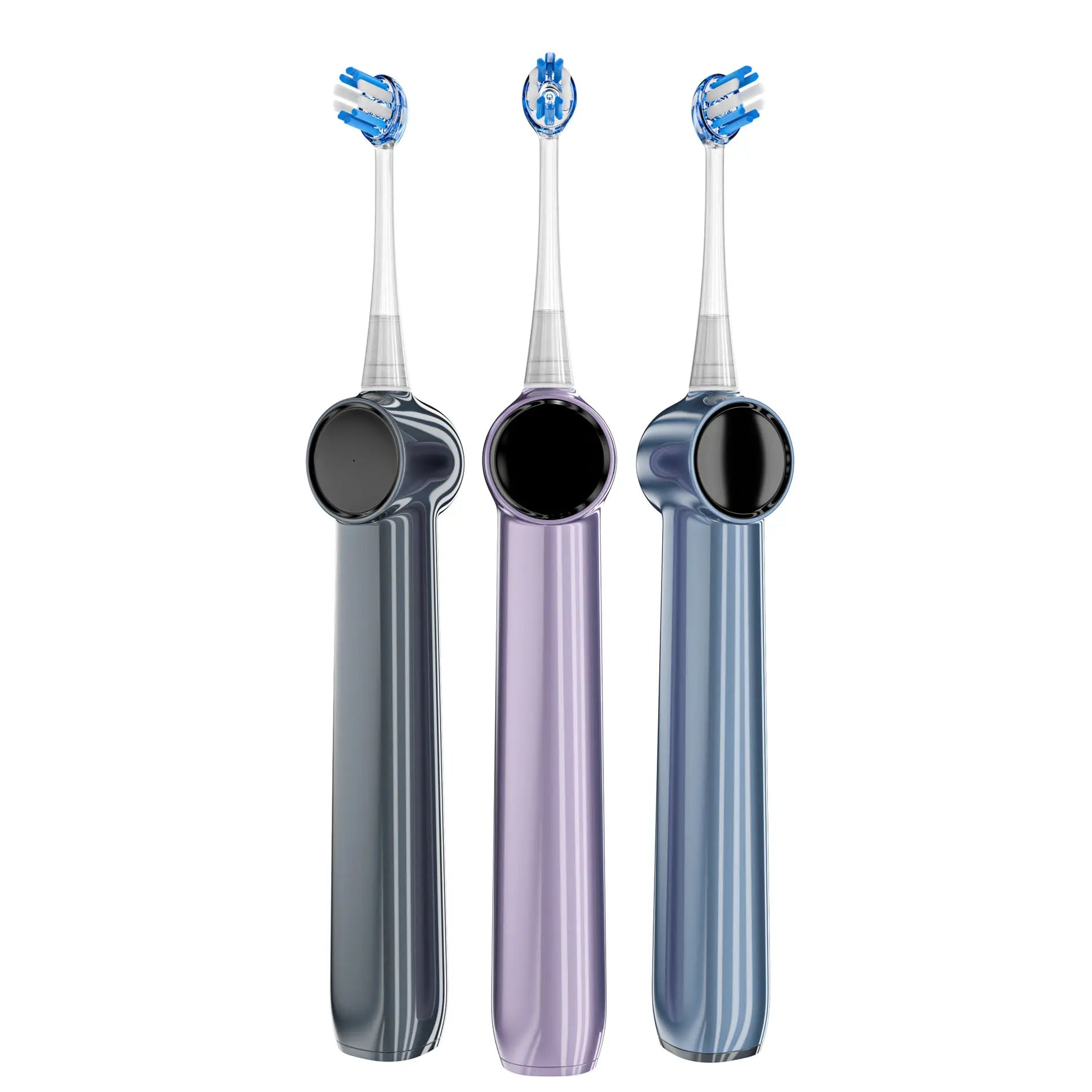
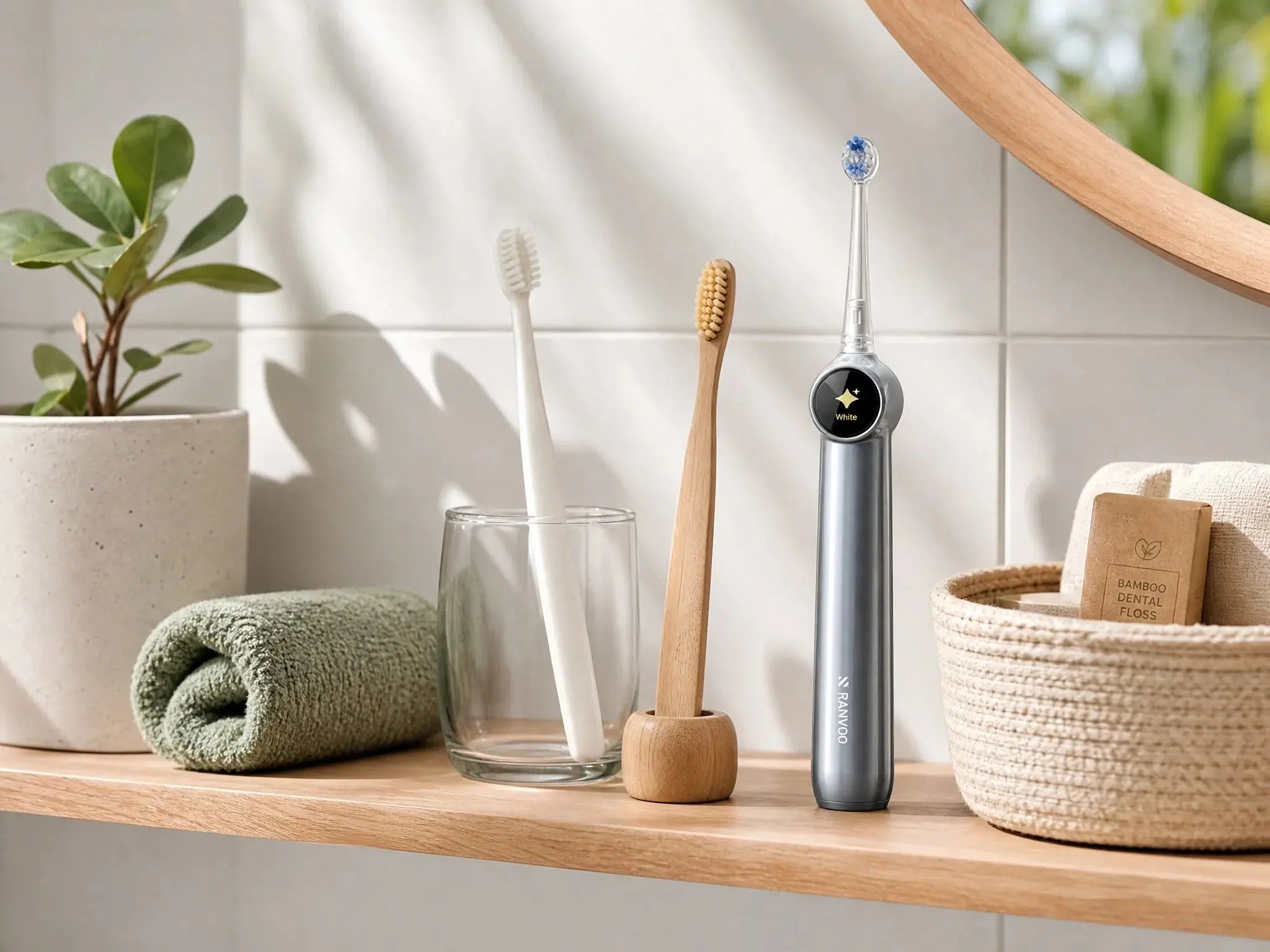
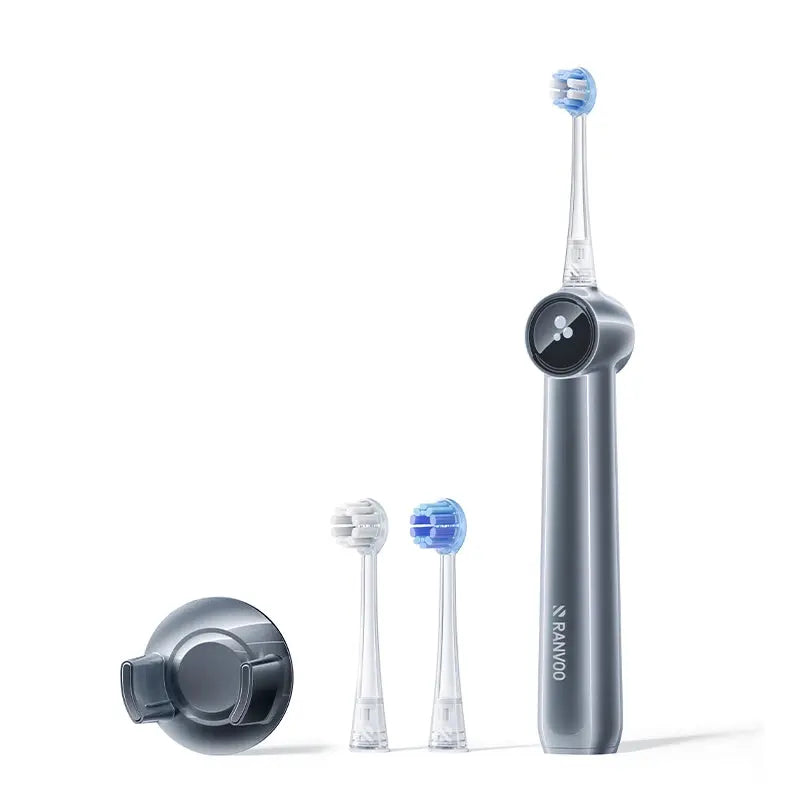
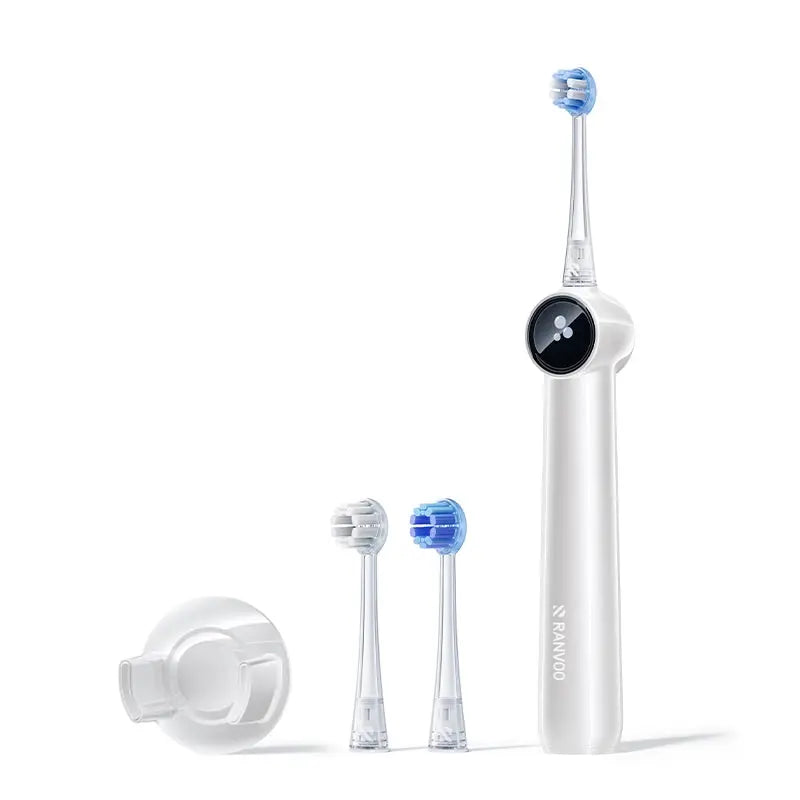
When your teeth are tender, the last thing you want is a manual toothbrush bumping against every sore bracket. This is where tool choice makes a real difference. Using an electric toothbrush with a sensitive mode can do the mechanical work for you, so you’re not scrubbing tender teeth with unnecessary pressure. For long-term gum health around brackets, a power toothbrush is more effective at removing the plaque that causes gum inflammation—which, left unchecked, adds a completely separate layer of throbbing, bleeding-gum pain to the orthodontic discomfort you’re already dealing with.

Red Flags vs. Routine Soreness
This is the section that might save you a midnight panic. Not all mouth pain during orthodontic treatment is normal.
Normal (Self-Care Is Enough)
- Dull, diffuse soreness across multiple teeth. It’s hard to pinpoint exactly which tooth hurts because the whole arch aches.
- Slight tooth mobility. Teeth wiggling a tiny amount when pressed with a finger is expected.
- Mild irritation on the inside of the cheeks where brackets are rubbing, especially during the first two weeks before the tissue toughens.
- Soreness that improves steadily after day 3 and resolves by day 7.
Abnormal (Call Your Orthodontist)
- Sharp, localized, stabbing pain that you can isolate to one specific tooth or spot. This often indicates a loose bracket sliding along the archwire and impinging on the gum, or a wire end that has slipped out of the terminal bracket and is embedding in the cheek.
- Pain that wakes you from sleep after the first 48 hours. Some nighttime aching early on is normal. Persistent, escalating night pain is not.
- A broken or loose appliance. If a bracket is spinning freely on the wire or a band has come off a molar, contact the office. Don’t wait for your next scheduled appointment.
- A wire poking so far back it’s causing bleeding or you can’t cover it with wax. You can temporarily try to nudge it flat with the eraser end of a clean pencil, but call for a wire trim.
- Swelling, pus, or an allergic reaction. Rare, but possible. Mucosal swelling beyond normal friction irritation—especially if accompanied by difficulty swallowing or breathing—requires immediate attention.
The rule of thumb: soft tissue irritation improves as your cheeks develop calloused patches. Bracket and wire problems don’t self-correct. If you’re unsure, the office would rather answer a quick call than have you suffering needlessly for a week.
The Mindset Shift
The final piece of managing braces discomfort isn’t a product or a pill. It’s reframing the sensation.
When your teeth ache during orthodontic treatment, it’s not damage happening. It’s adaptation. The compression of the periodontal ligament triggers cells called osteoclasts to resorb bone on the pressure side, while osteoblasts build new bone on the tension side. That dull soreness is the biological signal that your skeleton is being remodeled.
A 2023 systematic review on the pain profile of orthodontic levelling and alignment found no consistent patient-related factors predicting who hurts more—age, sex, and crowding severity weren’t reliable predictors. That means your experience is individual, not a reflection of how tough or sensitive you are. If you hurt more than your friend with braces, your teeth might simply be moving through denser bone or you might be in a more active phase of treatment.
The psychological coping is straightforward: expect the first week to be rough, be ready with your relief toolkit, and know that by the second week, you’ll be eating normally and barely noticing the brackets. Millions of people have gone through this before you. The soreness is real—and it’s also temporary, manageable, and the price of admission for a smile that lasts a lifetime.
Key Takeaway: Braces hurt in a predictable, manageable way. The first week is the hardest. Adjustments bring echoes. Soft tissue irritation is separate and fixable. Sharp pain is a signal to call your orthodontist. And every twinge of dull pressure is progress you can feel.