


요약 – 치아는 탈회와 재생 사이의 끊임없는 싸움 속에 있습니다. 당신이 먹는 것이 법랑질이 그 싸움에서 이기는 데 필요한 미네랄을 공급합니다. 이 글은 어떤 음식이 적극적으로 치아를 재건하고 보호하는지, 어떤 '건강한' 식품이 은밀히 치아를 침식할 수 있는지, 그리고 충치 저항성을 최대화하기 위해 음식을 어떻게 조합하는지 정확히 설명합니다.
식단이 치아 건강을 결정하는 이유
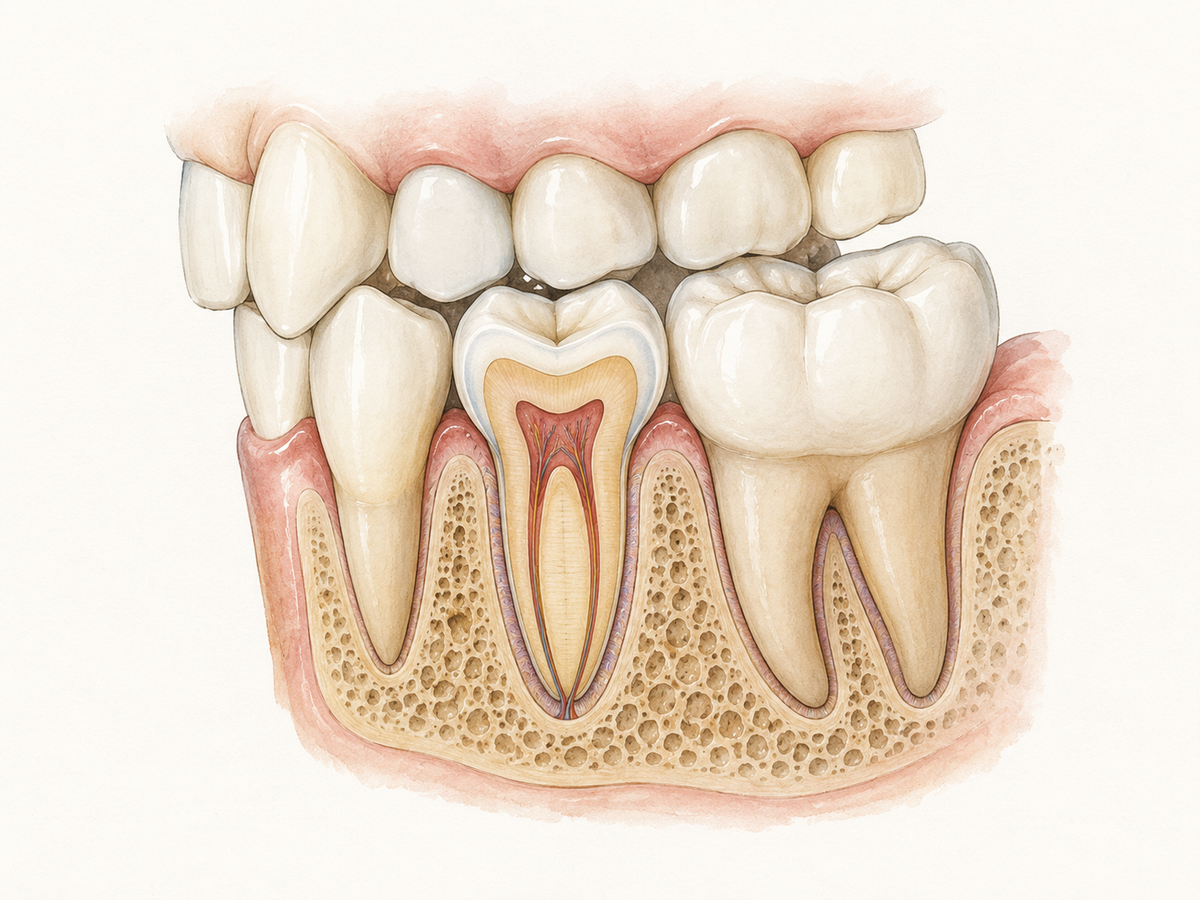
당신이 먹는 모든 입맛은 입 안에서 연쇄 반응을 일으킵니다. 플라크 의 박테리아는 설탕과 전분을 먹고 산을 방출하여 치아 법랑질에서 미네랄을 빼앗습니다. 이 과정을 탈회라고 합니다. 하지만 좋은 소식이 있습니다: 치아는 스스로 회복할 수 있습니다. 타액은 칼슘과 인산염을 법랑질로 다시 전달하는데, 이는 재광화.
라고 알려진 자연적인 치유 과정입니다. 식단은 치아 우식증의 가장 중요한 수정 가능한 위험 요소입니다. 11,000명 이상의 청소년을 대상으로 한 단면 조사에 따르면, 단 음식이 풍부한 식단은 충치 위험을 47% 증가시킨 반면, 거친 곡물이 풍부한 식단은 상당히 낮추었습니다. 단 음식 섭취 빈도를 줄이고 거친 곡물 섭취 빈도를 늘리면 치아 우식증의 위험을 줄일 수 있습니다.
건축 자재 미네랄을 제공하고 타액을 자극하는 음식을 먹으면 그 회복 시스템에 연료를 공급하는 것입니다. 하루 종일 설탕이나 산성 식품을 먹으면 입안을 산성 공격 상태로 유지하게 됩니다. 무엇을 먹느냐뿐만 아니라 얼마나 자주 먹느냐가 중요합니다. 각 산성 노출은 타액이 중화하기 전까지 약 20분간 지속됩니다. 끊임없이 간식을 먹으면 치아는 쉴 틈이 없습니다.
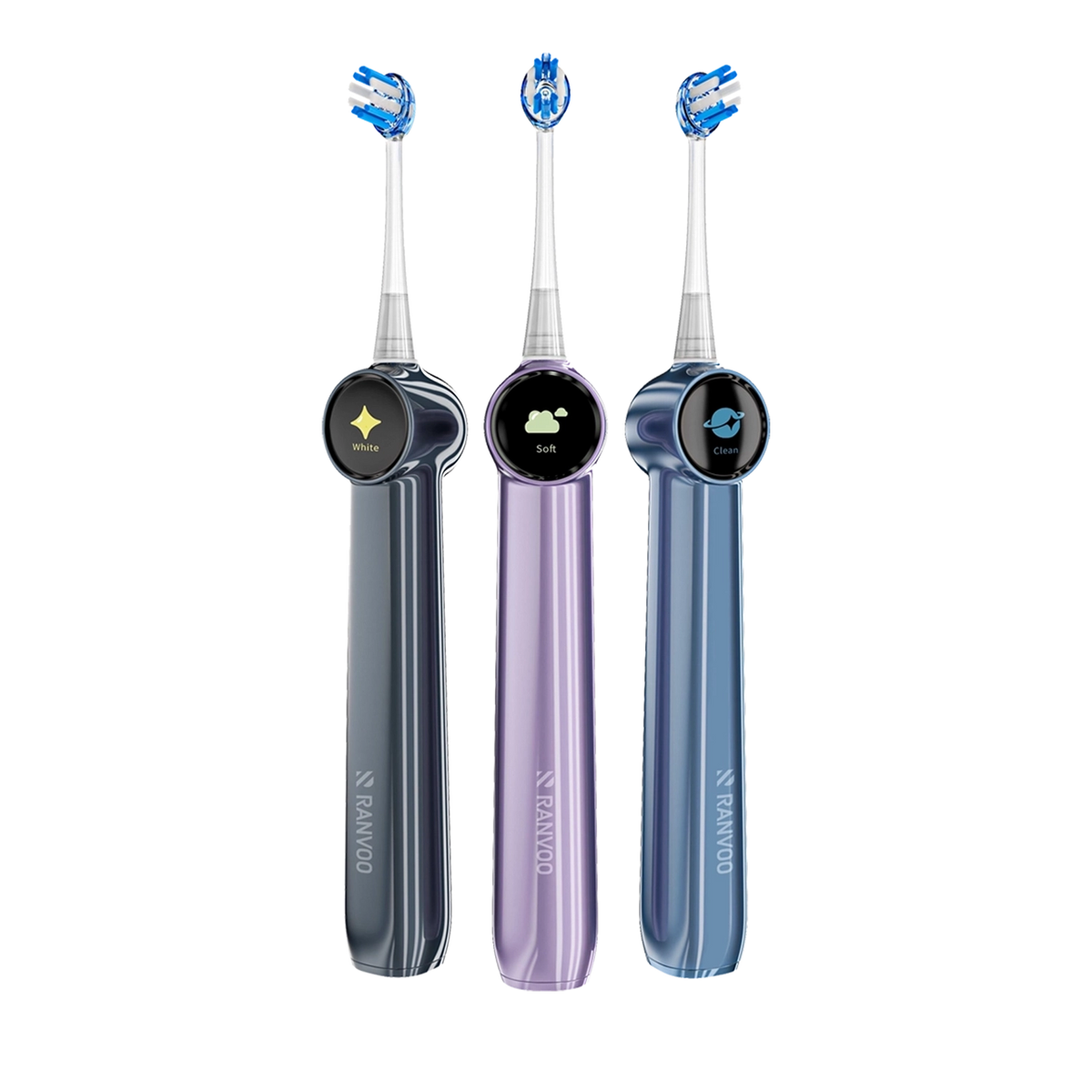
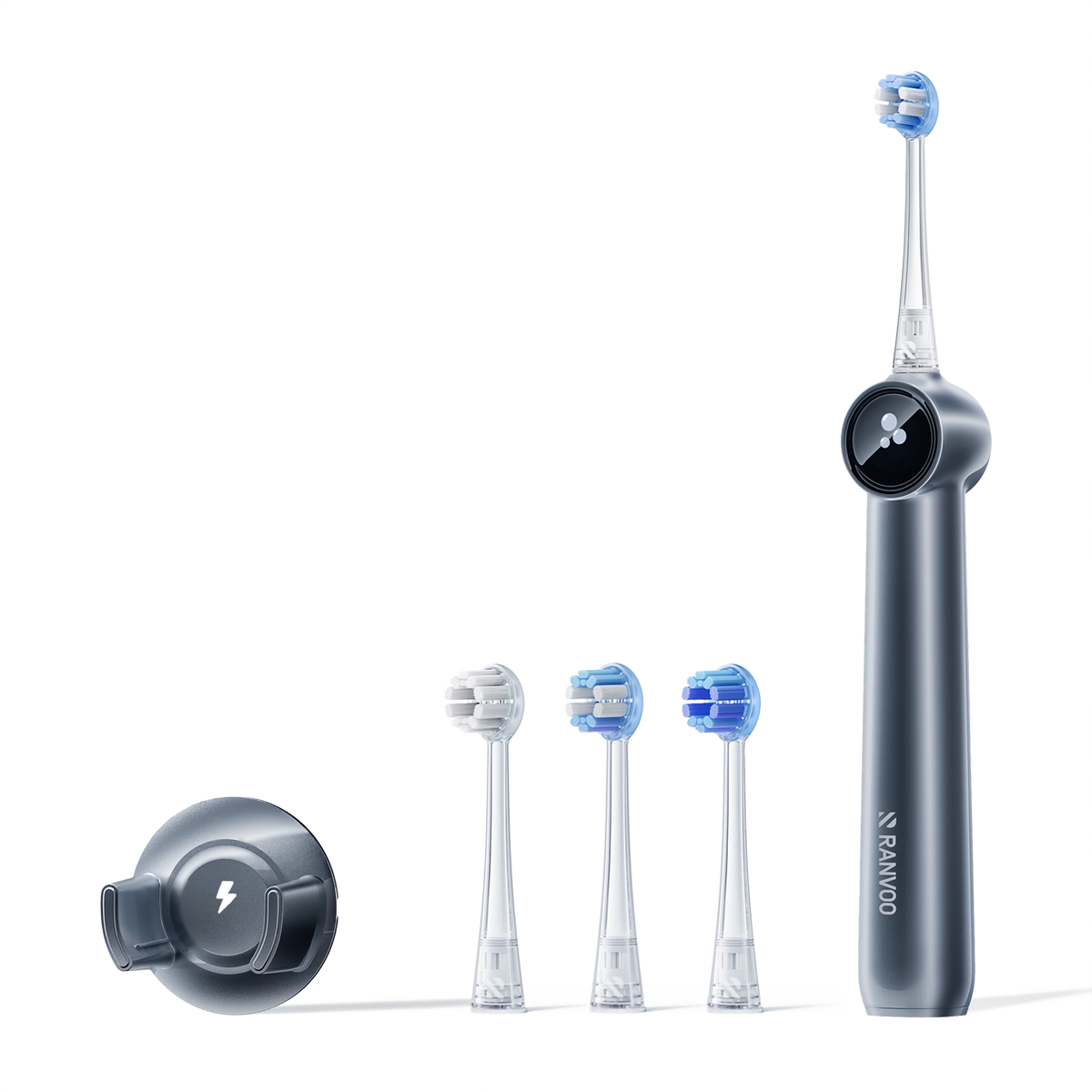
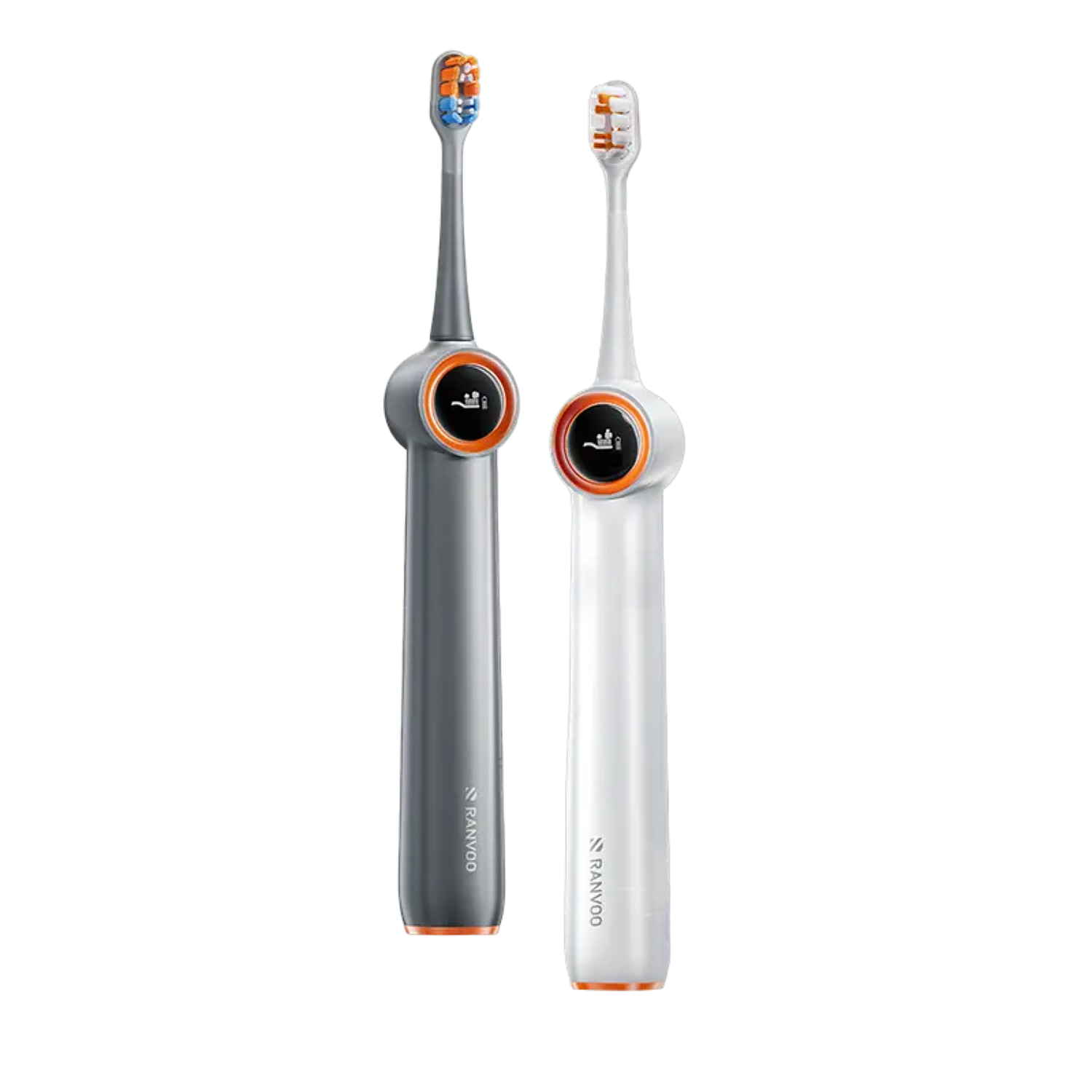
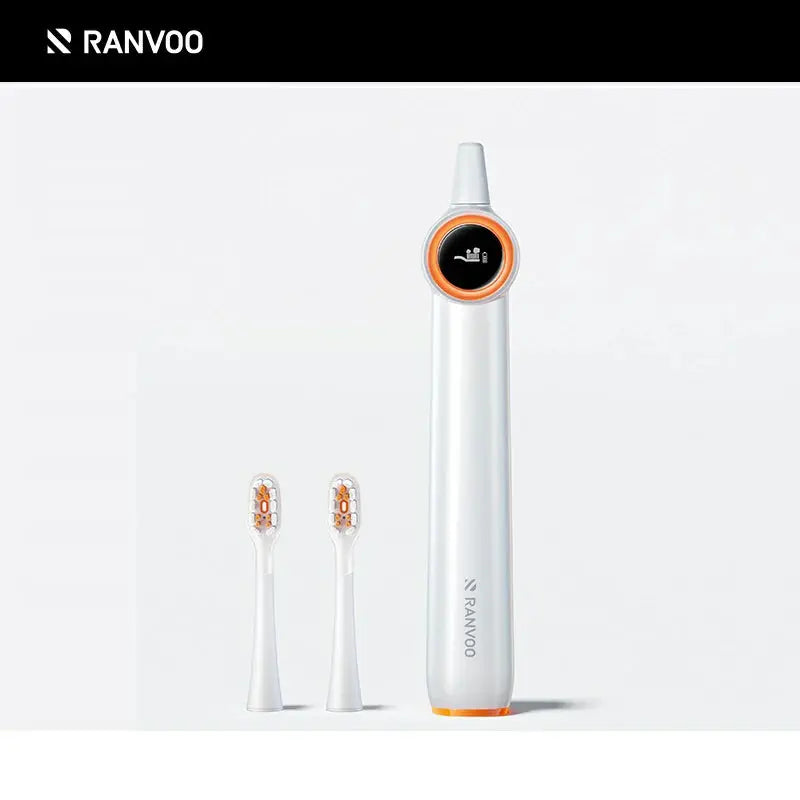
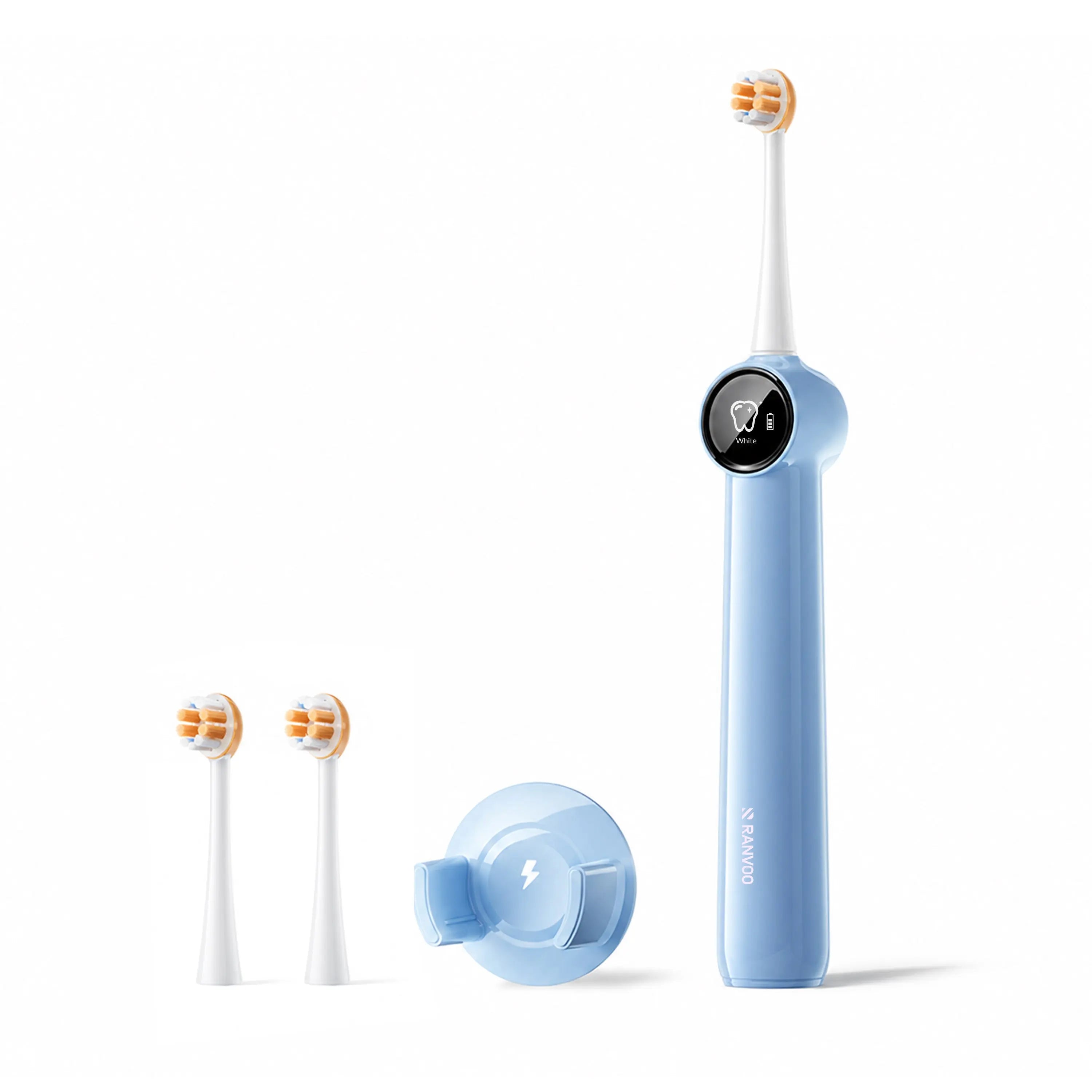
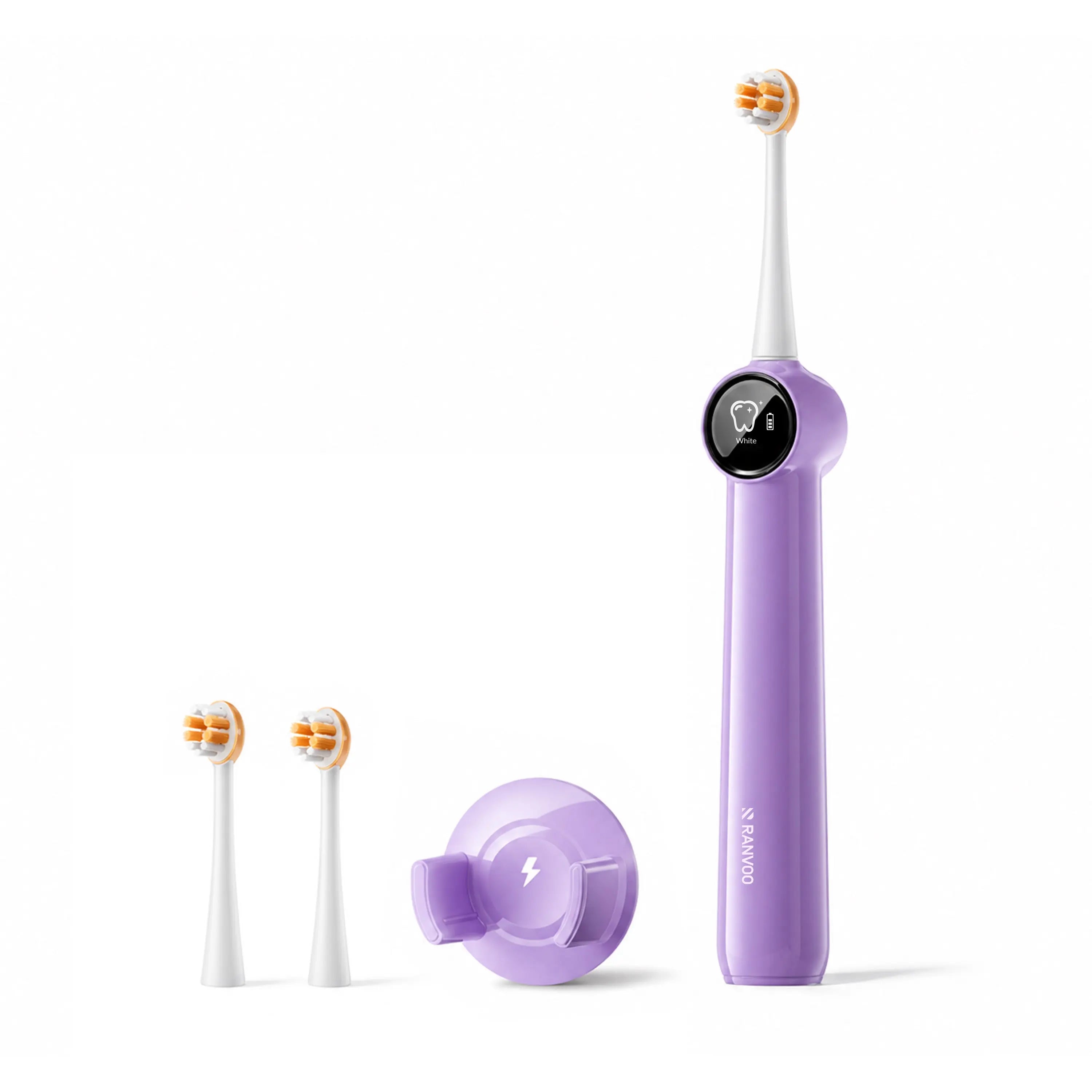
미네랄이 법랑질에 효율적으로 도달하게 하려면 먼저 플라크를 제거해야 합니다. 전동 칫솔 로 철저히 닦으면 법랑질 회복을 막는 끈적한 바이오필름을 제거하여 식단의 칼슘과 인산염이 실제로 그 역할을 할 수 있게 합니다.

강화 슈퍼푸드
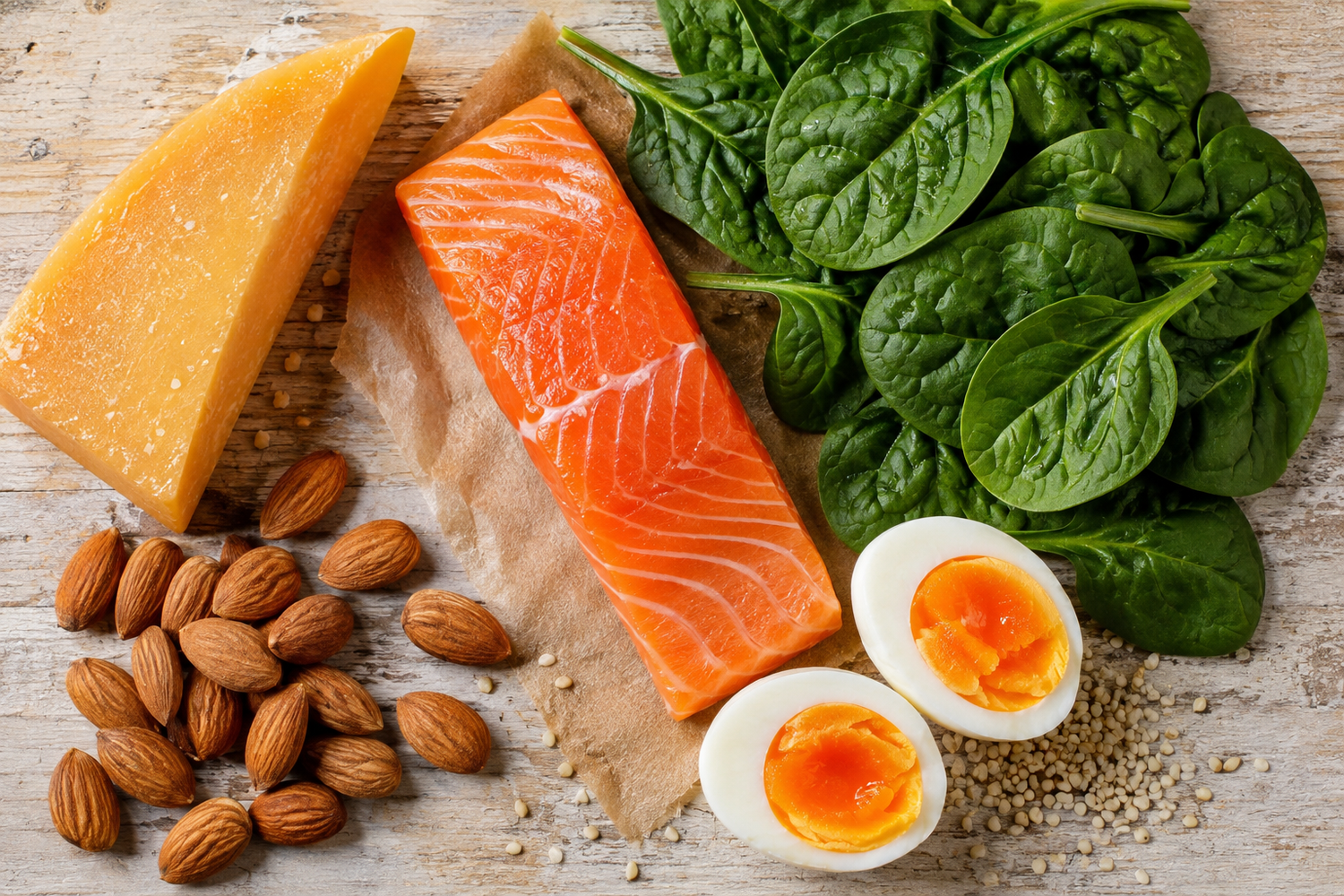
이 음식들은 법랑질이 갈망하는 칼슘, 인, 지용성 비타민 등의 원료를 신체가 쉽게 흡수하는 형태로 제공합니다.

- 치즈 – 칼슘 공급원 그 이상입니다. 치즈는 몇 분 안에 입안의 pH를 높여 산성 공격을 중화합니다. 카세인과 유청 단백질이 법랑질에 보호막을 형성하고, 씹는 행동이 타액 분비를 촉진합니다. 영양과 충치 예방에 대한 체계적 검토에서 치즈와 같은 유제품은 칼슘, 인산염, 그리고 플라크 산을 완충하는 카세인 단백질의 독특한 조합으로 인해 충치 예방 효과와 일관되게 연관되었습니다. 우유, 요거트, 치즈를 포함한 유제품은 법랑질 재광화에 필수적인 칼슘과 인산염의 가장 중요한 공급원 중 하나입니다.
- 지방이 많은 생선(연어, 정어리) – 비타민 D가 풍부하여 칼슘 흡수를 조절합니다. 비타민 D가 없으면 칼슘이 풍부한 식단도 치아를 효과적으로 강화할 수 없습니다. 지방이 많은 생선은 또한 잇몸 염증을 진정시키는 오메가-3 지방산을 제공합니다.
- 잎이 많은 채소(시금치, 케일, 콜라드 그린) – 칼슘, 엽산(잇몸 염증을 줄이는 B 비타민), 그리고 섬유질이 가득합니다. 씹어야 하므로 타액 분비를 자극합니다. 시금치는 또한 칼슘을 치아와 뼈로 보내는 데 도움을 주는 비타민 K2를 제공합니다.
- 계란 – 계란 노른자는 천연 비타민 D의 몇 안 되는 식품 공급원 중 하나이며, 법랑질의 결정 구조에서 칼슘의 파트너 미네랄인 인도 제공합니다.
- 견과류와 씨앗 – 아몬드와 참깨는 칼슘을 공급하고, 호박씨와 브라질너트는 인과 마그네슘을 제공합니다. 씹는 행위 자체도 타액 분비를 촉진합니다. 한 가지 유의점: 견과류에는 피틴산, 즉 미네랄과 결합할 수 있는 항영양소가 포함되어 있습니다. 섭취 전에 견과류를 불리거나 발아시키면 그 효과가 줄어들어 미네랄이 더 잘 흡수됩니다.
아삭한 식감: 자연의 칫솔
아삭하고 섬유질이 풍부한 과일과 채소는 치아를 닦아줄 뿐만 아니라 입 안의 자연적인 수리 액체를 활성화합니다.
타액 은 치아 건강의 숨은 영웅입니다. 설탕을 희석하고 산을 중화하며 칼슘과 인산염을 탈회된 법랑질로 운반합니다. 다음과 같은 아삭한 음식을 씹는 행위는 사과, 당근, 그리고 셀러리 는 기계적으로 플라크를 파괴하고, 섬유질은 타액 분비를 촉진합니다. 식사 후 자연스러운 청소 세션으로 생각하세요.

- 셀러리 는 한 단계 더 나아갑니다. 섬유질 가닥이 치아 사이를 부드러운 치실처럼 작용하여 씹는 동안 입자 제거에 도움을 줍니다.
- 사과 에는 표면 얼룩을 가볍게 제거할 수 있는 사과산이 함유되어 있으며, 수분 함량이 높아 입안을 헹구는 데 도움이 됩니다.
- 당근 에는 건강한 타액 생성과 구강 점막 유지에 필수적인 비타민 A가 풍부합니다.
이 음식들은 칫솔질을 대체하지는 않지만, 식사 사이에 산 손상을 줄이는 만족스러운 방법입니다. 핵심은 통째로 먹는 것입니다. 주스로 만들면 섬유질이 제거되고 농축된 설탕이 남아 박테리아의 먹이가 될 수 있습니다.
치아를 강화하는 음료
하루 종일 마시는 음료도 씹는 음식만큼 중요합니다.
- 불소 처리된 수돗물 – 궁극의 치아 음료입니다. 음식 찌꺼기를 헹구고 산을 희석하며 법랑질의 수산화인회석을 더 산에 강한 불소인회석으로 전환하는 불소 이온을 공급합니다. EFP/ORCA의 충치 및 치주 질환 예방에 관한 합의 보고서에 따르면, 불소를 사용한 정기적인 구강 위생이 두 질환에 모두 영향을 미치는 가장 중요한 행동 요인입니다. 치아 우식증과 치주 질환 모두에 영향을 미치는 가장 중요한 행동 요인은 불소를 사용한 정기적인 구강 위생입니다.
- 녹차와 홍차 – 두 차 모두 폴리페놀 을 함유하여 Streptococcus mutans, 충치의 주요 원인균입니다. 녹차는 천연 불소 공급원이며, 홍차의 폴리페놀은 법랑질의 보호성 타액 펠리클을 두껍게 할 수 있습니다. 주기적인 폴리페놀 처리에 대한 탐색적 연구에 따르면 홍차는 펠리클의 두께와 밀도를 증가시켜 산 공격 시 칼슘 방출을 줄였습니다. 폴리페놀 음료의 섭취는 법랑질 펠리클의 항부식 잠재력을 향상시킬 수 있습니다.
- 우유 – 치즈와 같지만 액체인 우유는 칼슘, 인, 카제인을 제공합니다. 또한 중성 pH로 산을 중화하는 데 도움이 됩니다. 특히 어린이의 경우 단 음식을 먹은 후 우유를 마시면 이후 산 급증을 줄일 수 있습니다.
산성 또는 설탕이 든 음료를 오랫동안 마시지 마세요. 가끔 탄산음료나 과일 주스를 마실 경우 빨대를 사용해 치아를 우회하고, 입안에서 오래 머금지 마세요.
건강식으로 위장한 숨은 적
많은 사람들이 이 부분에서 좌절합니다. '클린' 식단으로 바꿨는데 갑자기 치과 의사가 치아 부식을 언급합니다. 원인은? 단맛이 없어도 법랑질을 약화시키는 예상치 못한 산 공급원입니다.
- 감귤류 과일(레몬, 자몽, 오렌지) – 구연산은 측정 가능한 칼슘 손실을 일으킬 만큼 강력합니다. 음료 부식에 대한 실험실 연구에 따르면 오렌지 주스는 짧은 노출 후에도 법랑질에서 칼슘의 17%를 손실시켰습니다. 펩시콜라와 오렌지 주스는 상당한 부식을 일으켰으며, 펩시콜라는 칼슘의 거의 24%를 손실시켰습니다. 해결책: 레몬 조각을 빨지 말고, 아침에 일어나자마자 뜨거운 레몬 물을 마시지 마세요. 감귤류는 치즈나 요거트가 포함된 식사와 함께 먹어 산을 중화하고, 이후 일반 물로 헹구세요.
- 말린 과일 – 끈적끈적하고 농축된 설탕입니다. 건조 과정에서 수분이 제거되어 신선한 과일보다 치아 홈에 훨씬 오래 달라붙습니다. 말린 살구나 건포도를 먹는다면 식사 시간에 먹고, 거친 채소를 함께 먹어 잔여물을 제거하세요.
- 콤부차와 사과식초 – 유행하지만 종종 극도로 산성입니다(pH 4.5 미만). 침식성 치아 마모에 대한 임상 연구에 따르면 채식주의자와 락토-오보 채식주의자는 잡식주의자에 비해 침식성 마모 위험이 최대 4배 높았습니다. 채식주의자 또는 락토-오보 채식주의자는 잡식성에 비해 침식성 치아 마모를 보일 위험이 증가했습니다(각각 4배 및 2.5배). 이 음료를 마실 경우 빨대를 사용하고, 최소 30분 후에 양치질하며, 재광화를 돕기 위해 불소 구강세정제를 고려하세요.
이 음식을 완전히 제거할 필요는 없습니다. 현명하게 섭취하세요—함께 먹기, 헹구기, 기다리기.
최대 보호를 위한 타이밍과 음식 조합
한 번에 먹는 총 설탕 양보다 산 공격의 빈도가 더 중요합니다. 먹을 때마다 입안의 pH가 떨어집니다. 하루에 다섯 번 간식을 먹으면 약 100분의 산 손상이 발생합니다. 같은 음식을 두 끼로 나누어 먹으면 노출 시간이 크게 줄어듭니다.
다음 원칙에 따라 식사 구조를 잡으세요:
- 치아를 강화하는 음식으로 식사를 마무리하세요. 작은 치즈 조각이나 아몬드 몇 개는 입안 pH를 높이고 재광화 과정을 시작할 수 있습니다.
- 산성 음식이나 음료를 먹은 직후 양치질하지 마세요. 산에 의해 법랑질이 일시적으로 약해집니다. 바로 양치질하면 표면 미네랄이 닦여 나갑니다. 최소 30분 기다리세요. 더 빠른 세척이 필요하다면, 전동칫솔 압력 센서가 있는 전동칫솔이 더 안전한 선택일 수 있습니다. 공격적으로 문지르는 경향을 줄이고 부드러운 유체 역학을 사용하여 약해진 법랑질을 갈지 않고 깨끗하게 하기 때문입니다.
- 산성 음식은 알칼리성 또는 미네랄이 풍부한 음식과 함께 섭취하세요. 레몬을 물에 직접 짜지 말고 연어 필레 위에 짜세요. 베리는 플레인 요거트와 섞으세요. 이 조합은 산을 중화하고 칼슘을 추가합니다.
- 식사 후 자일리톨이 함유된 무설탕 껌을 씹으세요. 자일리톨 은 구강 박테리아를 굶기고 침 분비를 자극하여 중성 pH로의 회복을 가속화합니다.
마지막 한 입: 치아를 강화하는 식판
이 간단한 패턴을 중심으로 식사를 구성하면, 먹는 동안 지속적으로 치아를 강화할 수 있습니다.
매 끼니마다 다음을 목표로 하세요:
단백질(지방이 많은 생선, 계란, 살코기) + 잎채소 + 아삭한 채소 + 소량의 유제품 + 물 또는 무가당 차.
이 식판은 칼슘, 인, 비타민 D, 비타민 C, 섬유질을 제공하며, 이러한 미네랄이 필요한 곳으로 밀어 넣는 침 분비를 자극합니다. 하루 식사 횟수를 3~4회로 줄이면 치아가 재건하는 데 필요한 긴 휴식 시간을 얻을 수 있습니다.
치아는 정적인 것이 아닙니다. 치아는 여러분이 제공하는 영양소에 반응하는 살아있는 구조입니다. 모든 식사는 치아를 닳게 하거나 강화할 기회입니다. 이 지식을 바탕으로 이제 여러분은 맛있는 한 입 한 입으로 후자를 선택할 힘을 얻었습니다.
이 기사는 구강 건강 전문가의 정확성 검토를 거쳤습니다. 이 내용은 일반적인 교육 정보를 제공하기 위한 것이며, 개인별 맞춤형 의학적 조언, 진단 또는 치료를 대신할 수 없습니다. 구강 건강과 관련하여 궁금한 점이나 우려 사항이 있으시면 치과의사, 의사 또는 기타 자격을 갖춘 의료 전문가와 상담하시기 바랍니다.