



Oral Care

How Long Should You Brush Your Teeth?

How Long Should You Brush Your Teeth?

TL;DR: The American Dental Association and virtually every major dental authority agree — two minutes, twice a day is the non-negotiable standard. Most people average just 45 seconds. That 75-second gap is where cavities and gum disease get their start.

Illustration of a bathroom sink with a toothbrush resting on a timer showing 2:00, a gentle stream of water, soft morning light through a window, clean and calming healthcare environment photography style

Most of us learned to brush our teeth so long ago that we’ve never stopped to ask whether we’re doing it right. Yet the single most common question dental hygienists hear is some version of “how long should I actually be brushing?” The answer is straightforward — but the why behind it changes everything about how you approach those two minutes.


The Expert Answer, Straight Up

Brush for two minutes, twice a day. That’s the consensus from the American Dental Association, the FDI World Dental Federation, and an international panel of experts who recently published evidence-informed toothbrushing recommendations based on a review of over 300 scientific records.

It’s also the standard that most of us miss dramatically. Research consistently shows the average person brushes for approximately 45 seconds. A randomized crossover trial found that brushing for 120 seconds removed 26% more plaque than brushing for 45 seconds — a difference the researchers described as “likely to provide clinically significant oral health benefits.”

The average person brushes for 45 seconds. Extending that to 2 minutes removes 26% more plaque — enough to meaningfully change your cavity and gum disease risk.

That gap between 45 seconds and two minutes isn’t trivial. It’s where dental plaque — the sticky, colorless biofilm that constantly forms on teeth — gets to hang around long enough to cause real trouble.


Why 2 Minutes — Not 45 Seconds — Actually Works

There are two distinct reasons the two-minute threshold matters, and neither has anything to do with dental professionals being arbitrary.

You Physically Can’t Cover Every Surface Faster

An adult mouth has 28 to 32 teeth, each with multiple surfaces — the cheek-facing side, the tongue-facing side, and the biting surface. That’s roughly 90 to 120 distinct surfaces to clean. Doing the math, two minutes gives you just over one second per surface. Drop to 45 seconds, and you’re spending fractions of a second on each tooth.

A systematic review and meta-analysis published in 2024 directly compared one-minute versus two-minute brushing sessions. The finding: two minutes of brushing resulted in a significantly higher plaque score reduction, with the researchers concluding there is “moderate certainty for the recommendation to brush for 2 min over 1 min.”

The numbers tell the story clearly:

  • Manual toothbrush, 1 minute: approximately 27% plaque reduction
  • Manual toothbrush, 2 minutes: approximately 41% plaque reduction
  • Powered toothbrush, 1 minute: 32–61% plaque reduction (depending on plaque index used)
  • Powered toothbrush, 2 minutes: 38–67% plaque reduction

Fluoride Needs Contact Time

The second reason is chemical. Fluoride in toothpaste doesn’t work instantly — it requires adequate contact time to absorb into the enamel and begin the remineralization process that reverses early decay. Brushing for less than two minutes means some tooth surfaces may receive little to no fluoride exposure at all.

The FDI World Dental Federation emphasizes that fluoride toothpaste enhances fluoride concentration levels in biofilm fluid and saliva, and this mechanism is directly associated with a decreased risk of caries and the remineralization of teeth. That process takes time — another reason those 120 seconds aren’t negotiable.


The Damage Done by Brushing Too Fast (or Too Hard)

When people learn they’ve been under-brushing, the instinct is often to compensate with pressure. “If I didn’t brush long enough, I’ll just brush harder.” This creates a different but equally real set of problems.

Close-up illustration comparing two toothbrush bristle interactions with gum tissue — one showing gentle circular motion at the gumline with healthy pink gums, the other showing aggressive scrubbing with bristles splayed and gum tissue receding, educational dental diagram style with clean labels and soft clinical colors

The Consequences of Habitual Under-Brushing

When plaque isn’t adequately disrupted every day, several things happen in sequence:

  • Plaque hardens into tartar (calculus) within 24 to 72 hours, at which point only a professional cleaning can remove it
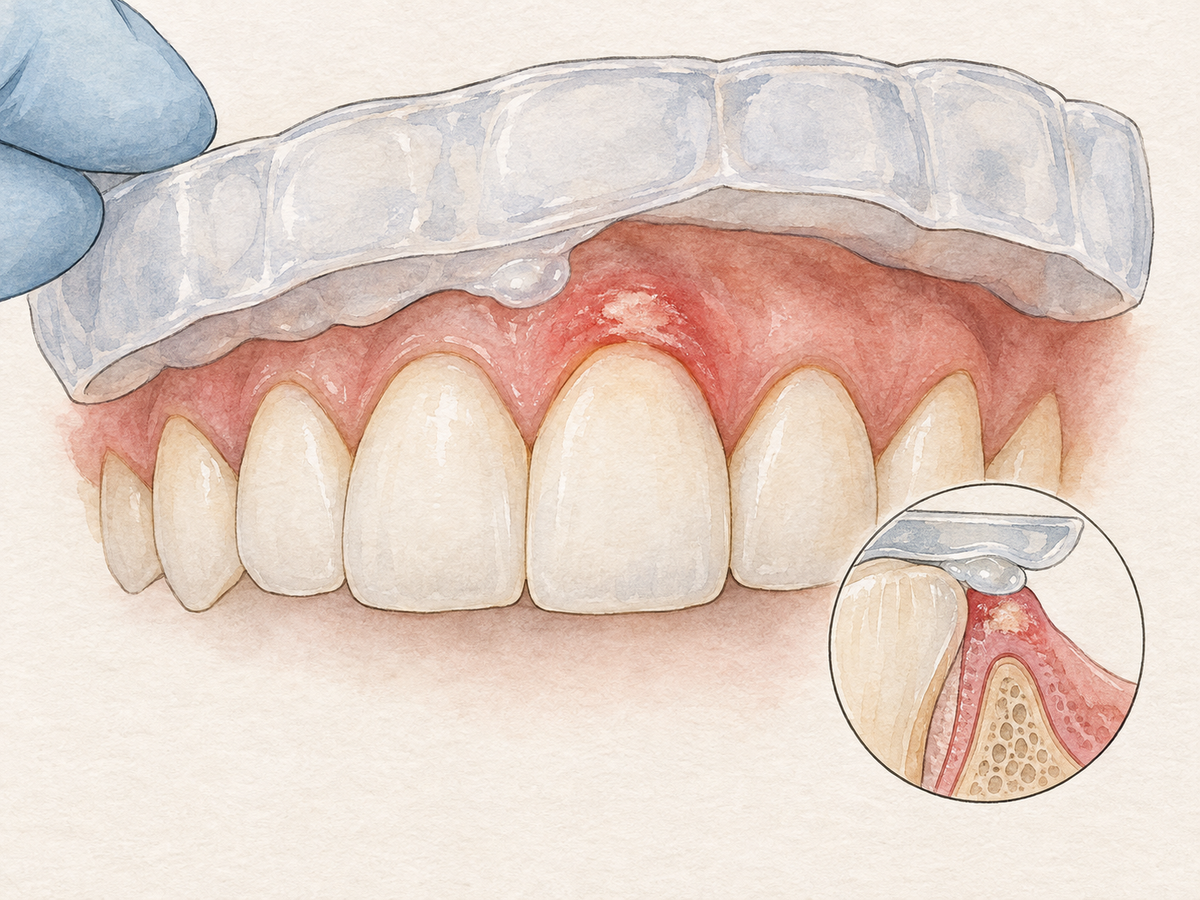
  • Bacteria at the gumline trigger gingivitis — red, swollen gums that bleed during brushing
  • Untreated gingivitis can progress to periodontitis, a serious gum infection that damages the bone supporting teeth
  • Plaque left in the deep grooves of molars produces acid that demineralizes enamel, creating dental caries (cavities)

A 2023 randomized crossover trial demonstrated a clear linear relationship between brushing duration and plaque removal, with maximal removal at 180 seconds. Even at three full minutes, plaque removal was not complete — reinforcing that 120 seconds is a minimum, not a maximum that guarantees perfection.

When “More” Becomes “Too Much”

The flip side is over-brushing. Scrubbing with excessive force — especially with a hard-bristle brush — can wear away enamel and cause gum recession. Once enamel is gone, it doesn’t grow back. Once gums recede, they don’t regenerate.

The damage pattern often shows up as:

  • Notching at the gumline (abrasion lesions)
  • Increased sensitivity to hot and cold
  • Darker, more yellow-looking teeth as underlying dentin becomes exposed
  • Elongated tooth appearance as gum tissue pulls away

The solution isn’t less time — it’s consistent, gentle pressure for the full two minutes using a soft-bristle brush. Brushing technique quality during those 120 seconds matters every bit as much as the clock.


4 No-Effort Ways to Hit 2 Minutes Every Time

Time blindness is real. Without a clock, most people genuinely can’t gauge when two minutes have passed. Here are four practical solutions that remove the guesswork:

  1. Use your phone’s stopwatch or timer. The simplest and most accessible option. Press start, brush until the alarm sounds. The downside is the friction of pulling out your phone at the bathroom sink.

  2. Get a 2-minute sand timer. These small hourglasses — often sold in dental care aisles — sit on the counter and provide a visual cue. No batteries, no screens, no distraction.

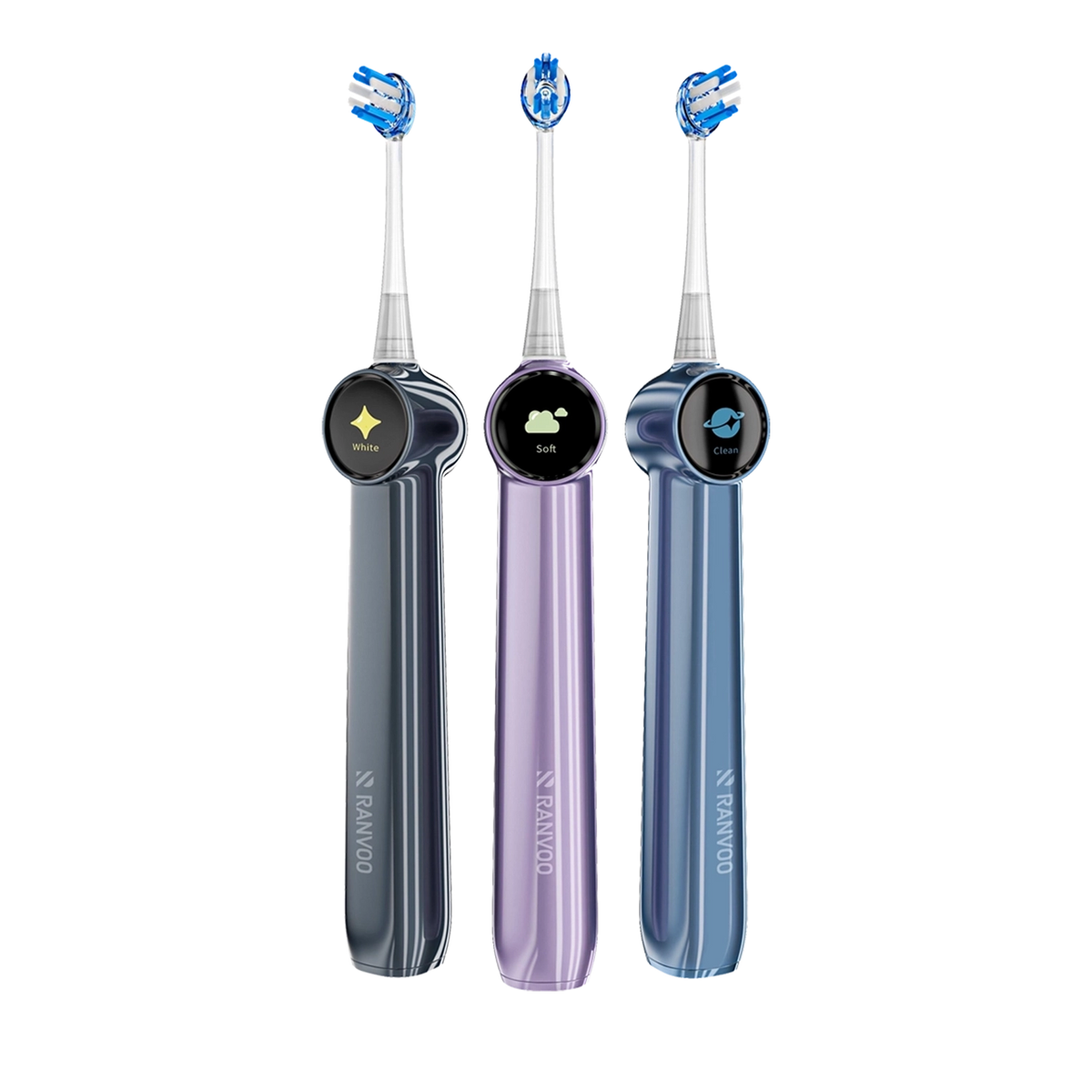
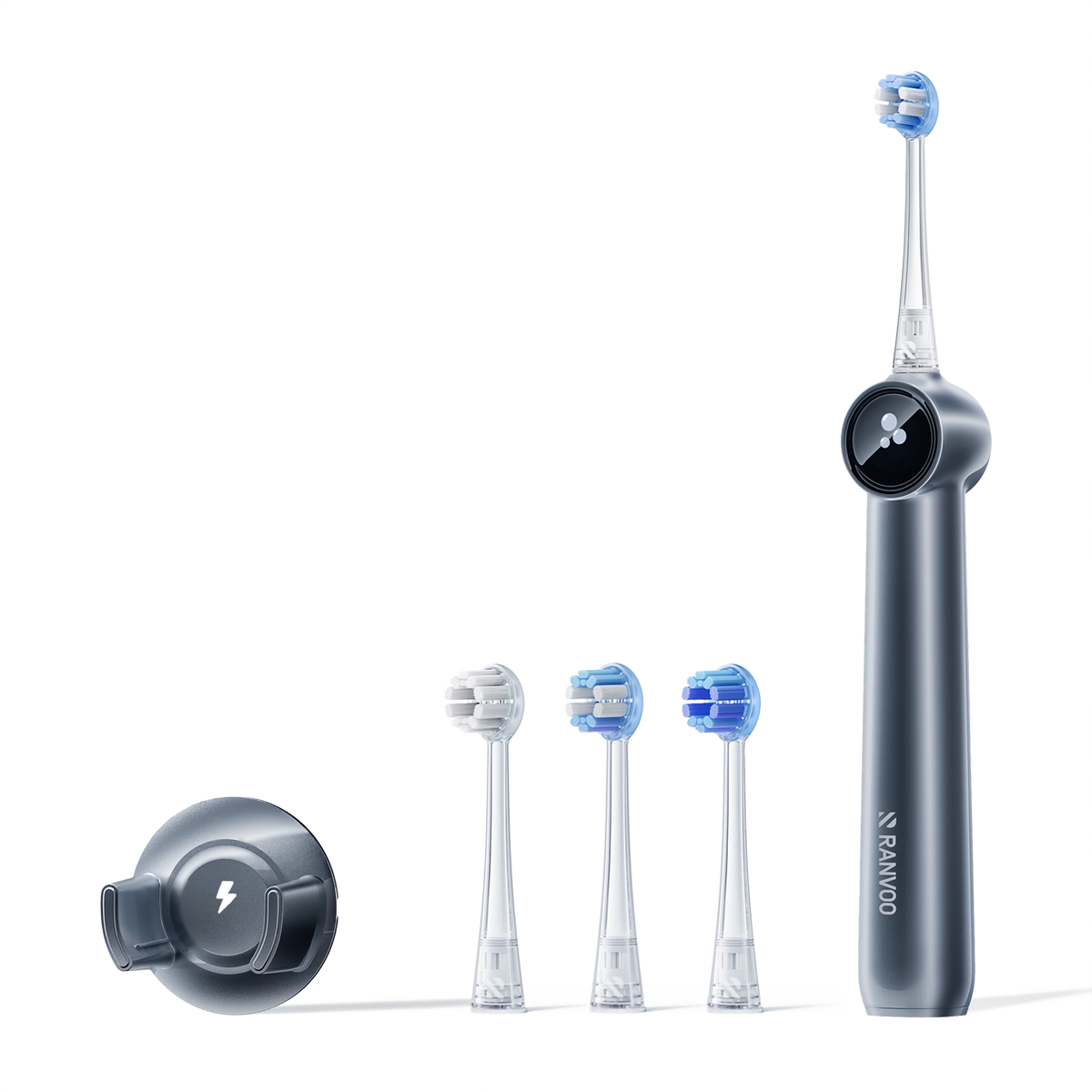
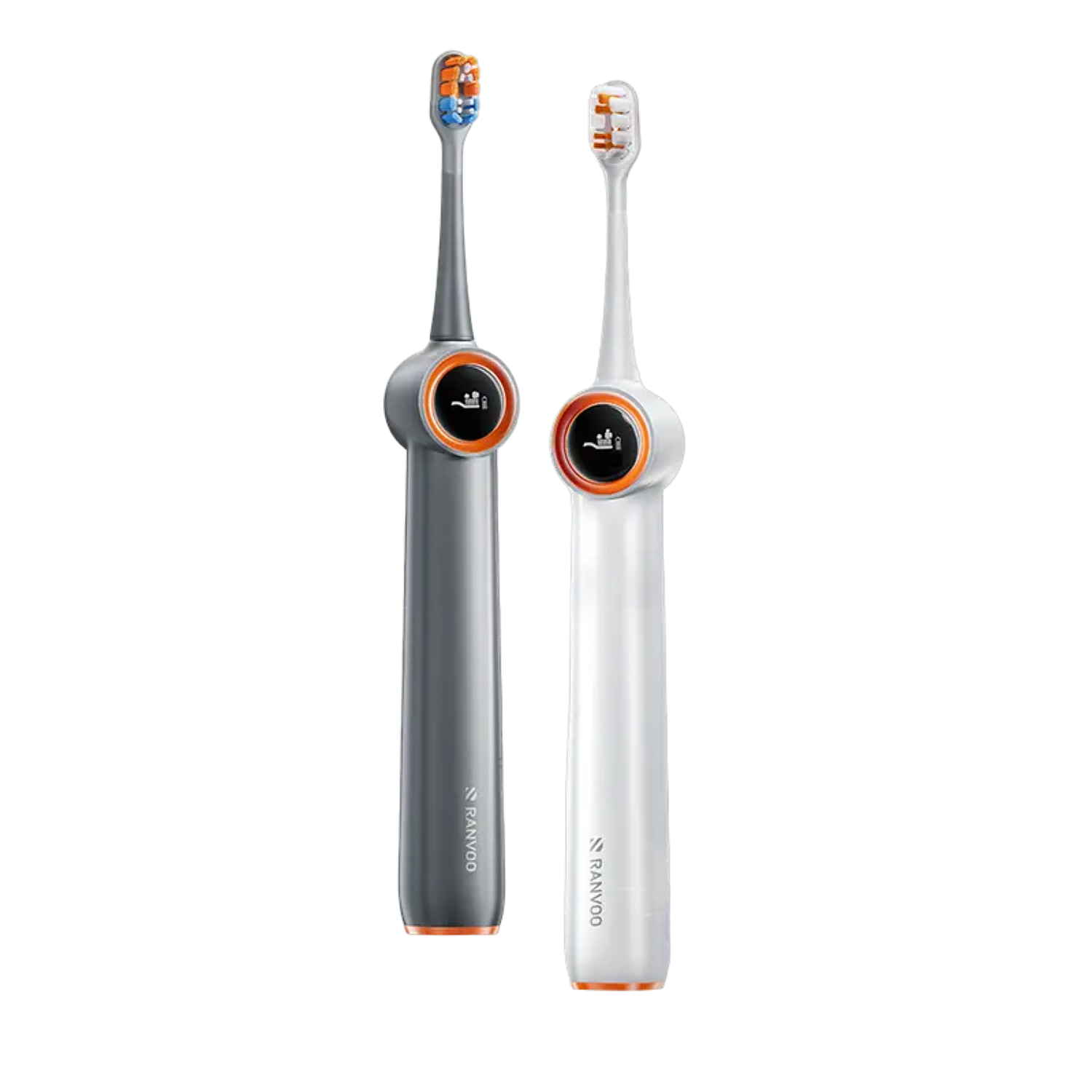
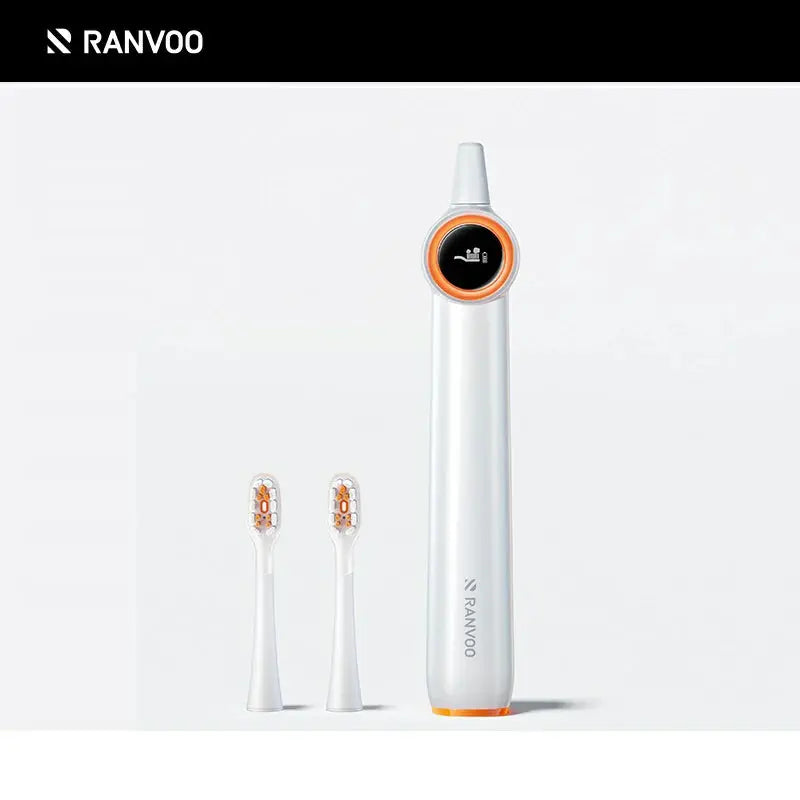
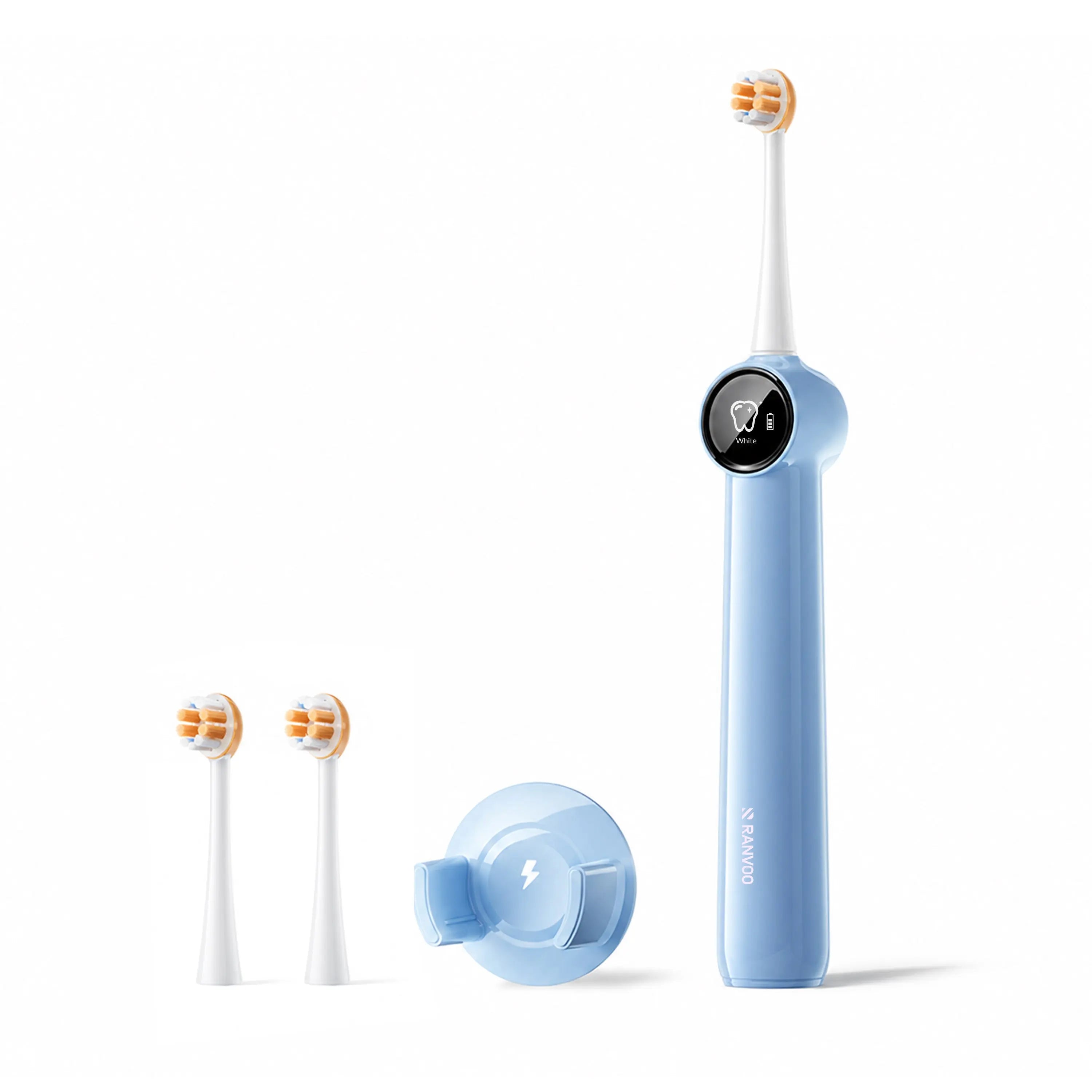
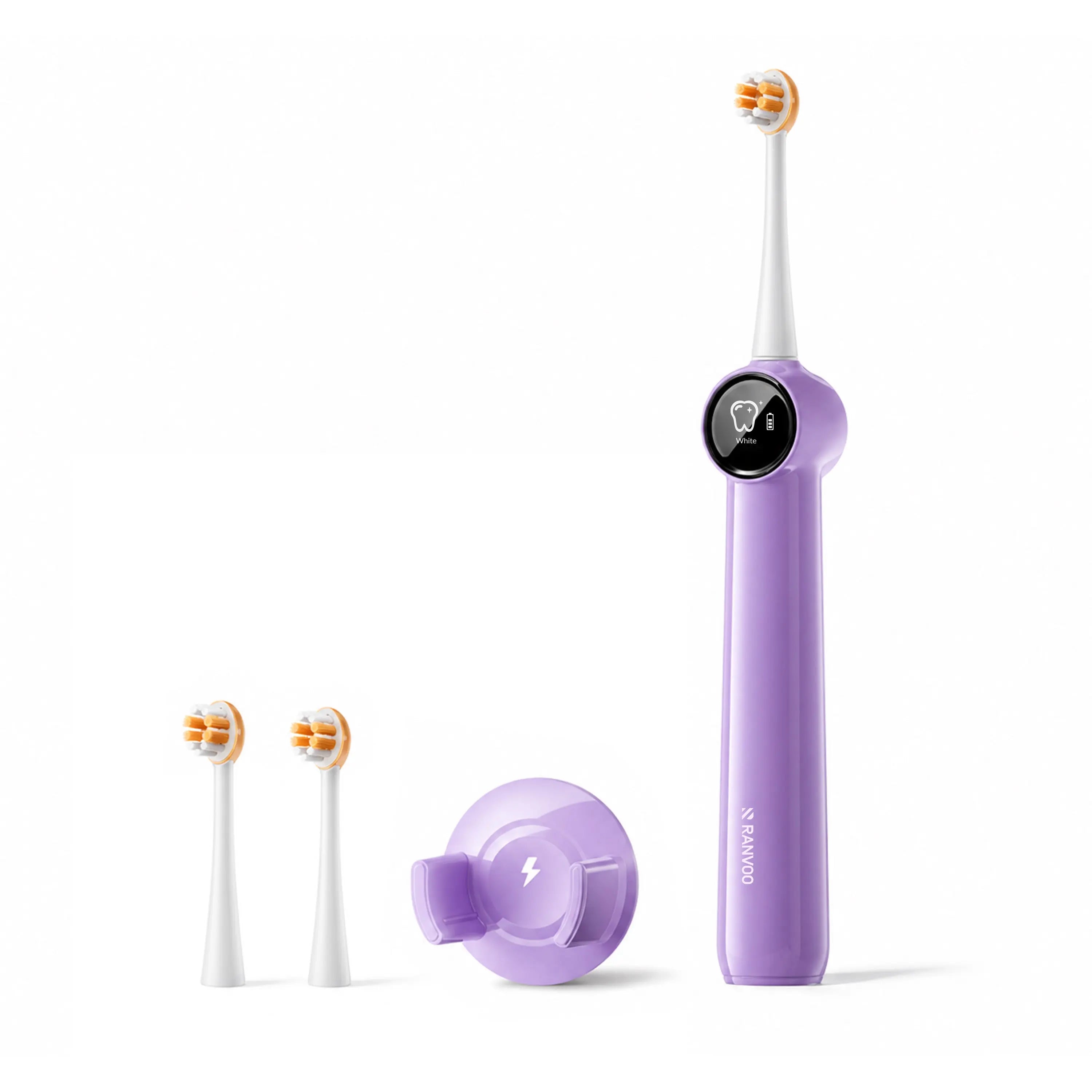
  3. Brush with an electric toothbrush that has a built-in timer. A quality electric toothbrush eliminates the mental load entirely. Many models include a quad-pacer that vibrates every 30 seconds, guiding you to move to the next section of your mouth. This ensures those two minutes are distributed evenly rather than spent entirely on your front teeth.

    A sonic electric toothbrush takes this a step further by combining the timing function with fluid dynamics that help clean slightly beyond where the bristles physically touch, making the two-minute window even more productive.

  4. Divide your mouth into four 30-second quadrants. Upper right, upper left, lower right, lower left. Spend exactly 30 seconds on each. This mental partitioning turns an abstract two minutes into four concrete, manageable chunks.

Two minutes feels short when your mouth is divided into four 30-second zones. Upper right, upper left, lower right, lower left — done.


The Full Routine: Time, Frequency, and Technique

The recommended duration doesn’t exist in isolation. It’s part of an indivisible trio: two minutes, twice daily, with proper technique.

Frequency: Why Twice Daily Matters

The FDI World Dental Federation’s international consensus panel agreed that brushing should be performed twice daily, with at least one session lasting a full two minutes using a systematic pattern. The second daily session serves a dual purpose — further plaque disruption plus reapplication of fluoride.

The most critical session is the one right before bed. During sleep, saliva production drops dramatically. Saliva is the mouth’s natural defense system — it neutralizes acids, washes away food particles, and delivers minerals for remineralization. Going to sleep with plaque on your teeth means bacteria have an uninterrupted eight-hour feast with reduced salivary protection.

Technique: The Bass Method in Brief

Two minutes of sloppy brushing is better than 45 seconds of sloppy brushing, but technique is what separates adequate cleaning from excellent cleaning. The Bass method (or modified Bass) is the most studied and recommended approach:

  • Hold the brush at a 45-degree angle to the gumline
  • Use gentle circular or vibratory motions — no back-and-forth scrubbing
  • Cover all tooth surfaces: outer (cheek-facing), inner (tongue-facing), and chewing surfaces
  • Let the bristles reach slightly below the gumline where plaque collects
  • Use only a pea-sized amount of fluoride toothpaste

A recent scoping review confirmed that brushing twice daily for at least two minutes using the Bass method has a positive effect on both plaque and gingival indices.

One Myth-Busting Tip: Don’t Brush Immediately After Eating

Contrary to popular belief, brushing right after a meal — especially one containing acidic foods or drinks like citrus, soda, or wine — can actually damage your teeth. The acid temporarily softens enamel, and brushing during this window can accelerate enamel erosion.

Wait at least 30 minutes after eating before brushing. This gives saliva enough time to neutralize acids and begin remineralizing the enamel surface. If you want to freshen up immediately, rinse with water instead.


When “Standard” Time Needs a Tweak

The two-minute, twice-daily guideline applies to the vast majority of people. But some situations call for adjusted recommendations.

Braces and orthodontic appliances create additional surfaces where plaque can accumulate — around brackets, under wires, and along bands. Orthodontists often recommend extending brushing time beyond two minutes and using specialized tools like interdental brushes to navigate around hardware. The international Delphi panel noted that powered brushes can enhance compliance and convenience for orthodontic patients, who already face a more time-consuming hygiene routine.

Gum disease treatment may also warrant extended or more frequent brushing under professional guidance. A dentist or periodontist might prescribe a specific regimen during active treatment phases.

Young children present a different challenge. They often lack the manual dexterity to brush effectively for a full two minutes, which is why the American Dental Association and American Academy of Pediatric Dentistry recommend that caregivers assist or supervise brushing until the child can reliably spit out toothpaste. Making those two minutes engaging — with a fun timer, a brushing song, or a reward chart — builds the habit early.

For everyone else, the rule holds: two minutes, twice a day, soft bristles, gentle technique. If you’re unsure whether you’re hitting the mark, try the simplest possible intervention tonight: set a timer on your phone for 120 seconds and notice how long it actually feels. Most people are surprised. Then adjust accordingly.

Person brushing teeth in a sunlit bathroom mirror reflection, relaxed expression, electric toothbrush visible, soft neutral tones with white and pale blue accents, lifestyle photography style conveying calm daily wellness routine

다음 보기

Should You Use Mouthwash Before or After Brushing Teeth?

FAQs

References

Toothbrushes | American Dental Association https://www.ada.org/resources/ada-library/oral-health-topics/toothbrushes

The effect of brushing time and dentifrice on dental plaque removal in vivo https://pubmed.ncbi.nlm.nih.gov/19723429/

Plaque scores after 1 or 2 minutes of toothbrushing A systematic review and meta‐analysis - PMC https://pmc.ncbi.nlm.nih.gov/articles/PMC12371311/

[PDF] Consensus on Toothbrushing Visual Guide APR24 https://www.fdiworlddental.org/sites/default/files/2024-04/Consensus%20on%20Toothbrushing%20Visual%20Guide%20APR24.pdf

The Effect of Toothbrushing Duration on Plaque Removal: A Randomized Crossover Trial https://journals.lww.com/dmms/fulltext/2023/18030/the_effect_of_toothbrushing_duration_on_plaque.5.aspx

Toothbrushing–Should We Advise Mechanical or Power Brushes? Results of an International Delphi Conference https://doi.org/10.5005/jp-journals-10024-2401

Review article Manual toothbrushes, self-toothbrushing, and replacement duration to remove dental plaque and improve gingival health: A scoping review from recent research https://www.sciencedirect.com/science/article/pii/S0300571224004093

Toothbrushing–Should We Advise Mechanical or Power Brushes? Results of an International Delphi Conference https://doi.org/10.5005/jp-journals-10024-2401